What is sustainable drainage?
When it rains, most of us don’t think twice about where the water goes.
It falls on roofs, runs down pipes, and disappears into drains.
But as rainfall becomes heavier and more unpredictable, those systems don’t always cope.
That’s where sustainable drainage comes in.
What is sustainable drainage?
Sustainable drainage (or SuDS) is a way of managing rainwater.
Instead of sending water straight into drains as quickly as possible, it focuses on managing rain where it falls.
That might mean:
- Slowing it down
- Letting it soak into the ground
- Storing it for later use
This allows rain to move in a more natural way, instead of rushing across hard surfaces into drains.
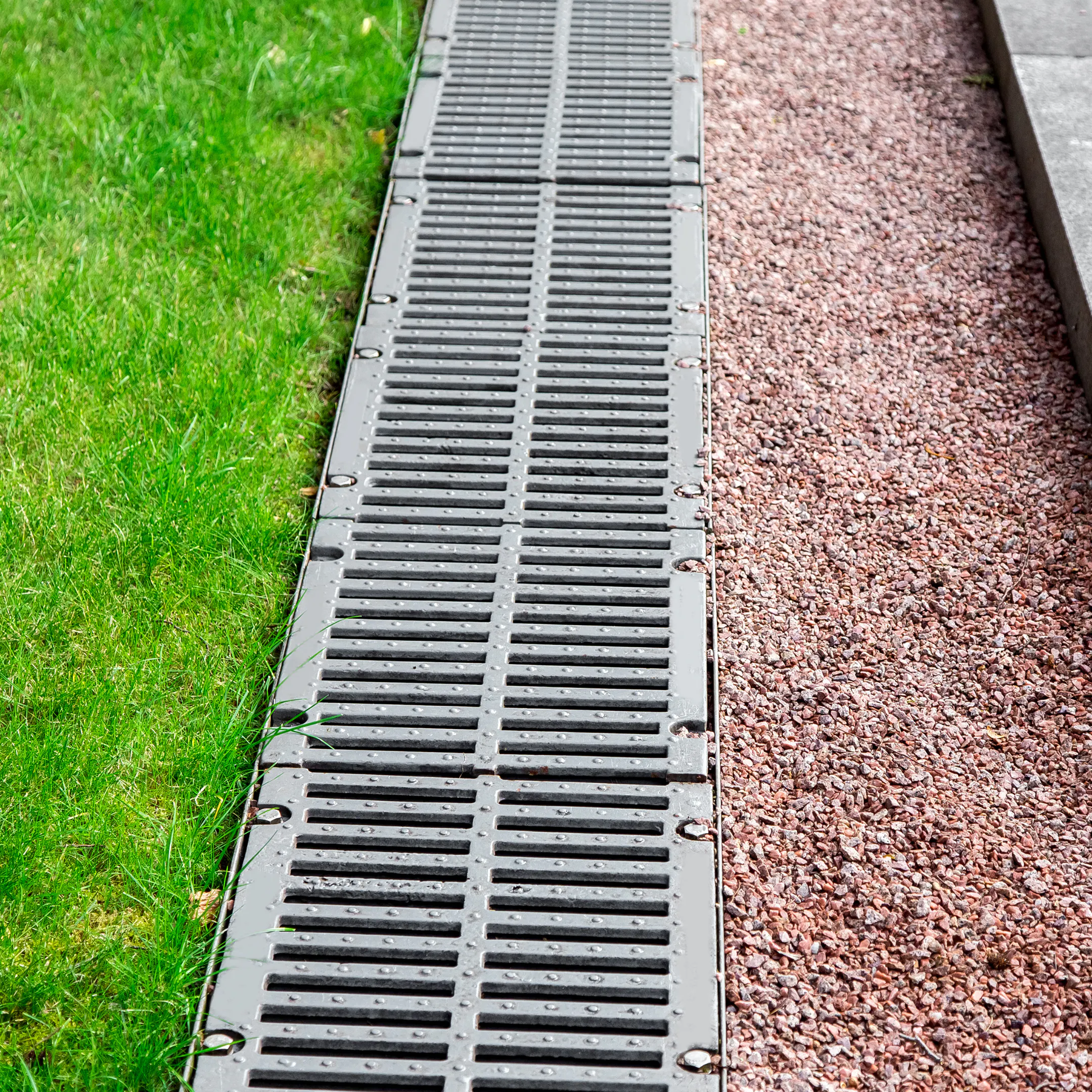
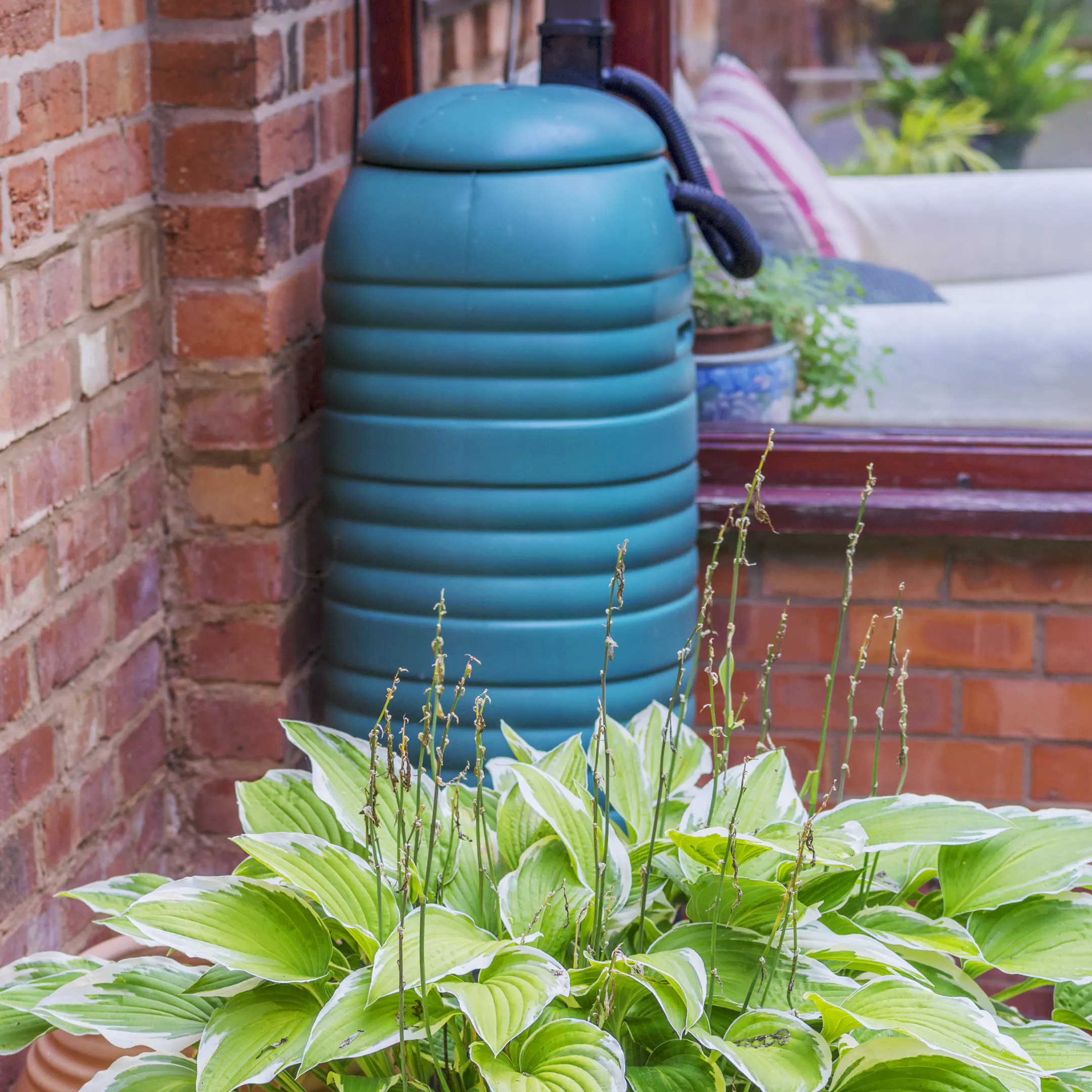
Examples of sustainable drainage
You might already have seen sustainable drainage without realising it.
Some common examples include:
- Water butts: collect rain from your roof so it can be reused
- Rain gardens or planters: areas where water can soak into soil
- Permeable paving: surfaces that let water pass through instead of running off
- Swales or basins: shallow landscaped areas that temporarily hold water
Why is sustainable drainage important?
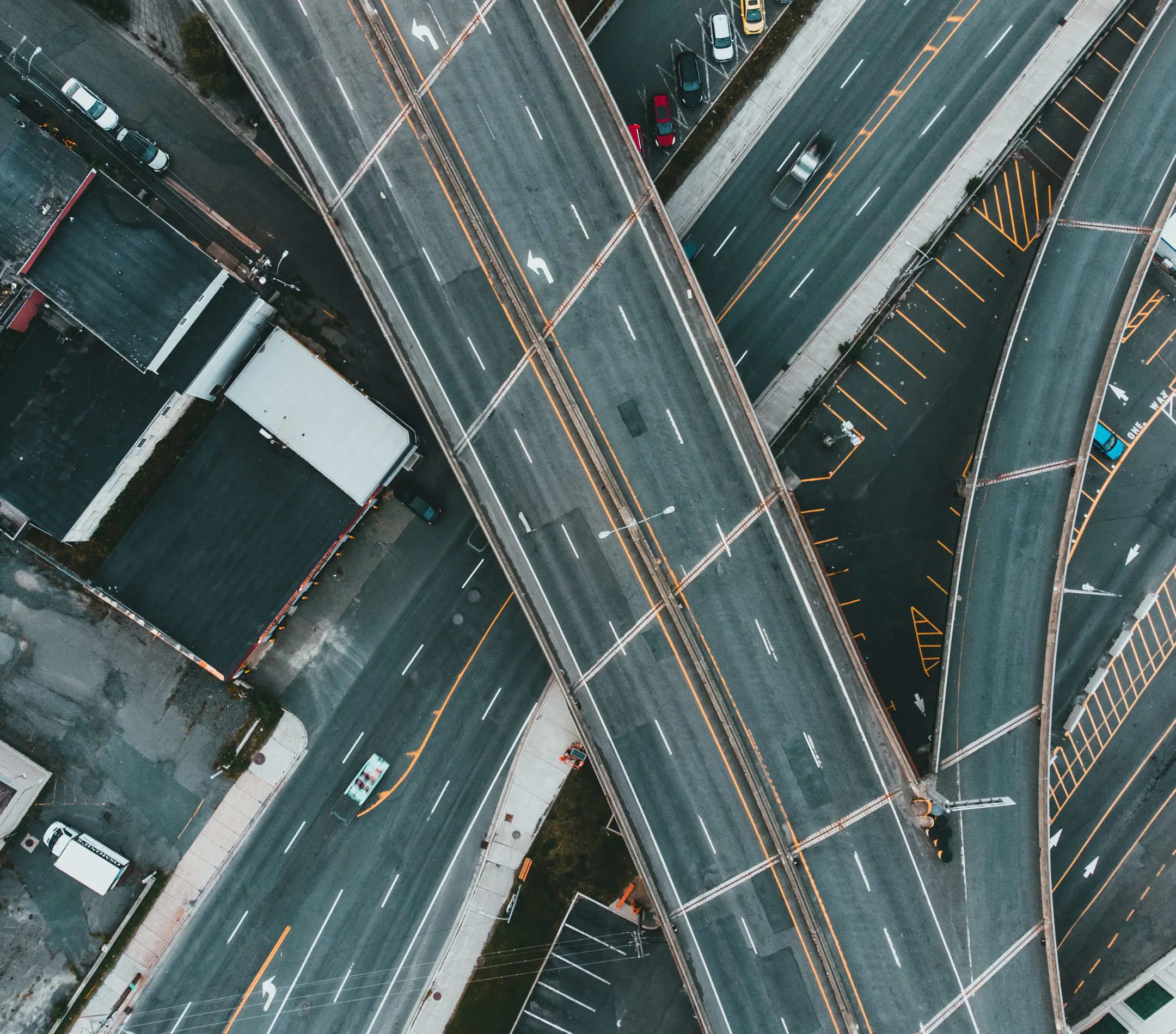
Over time, our towns and cities have changed. We’ve replaced soil and green space with:
- Roads
- Pavements
- Buildings
These surfaces push water away, so when it rains, water moves faster and reaches drains more quickly. That’s when problems can start.
Sustainable drainage helps ease pressure on drains by managing water earlier, before it it reaches drainage systems.
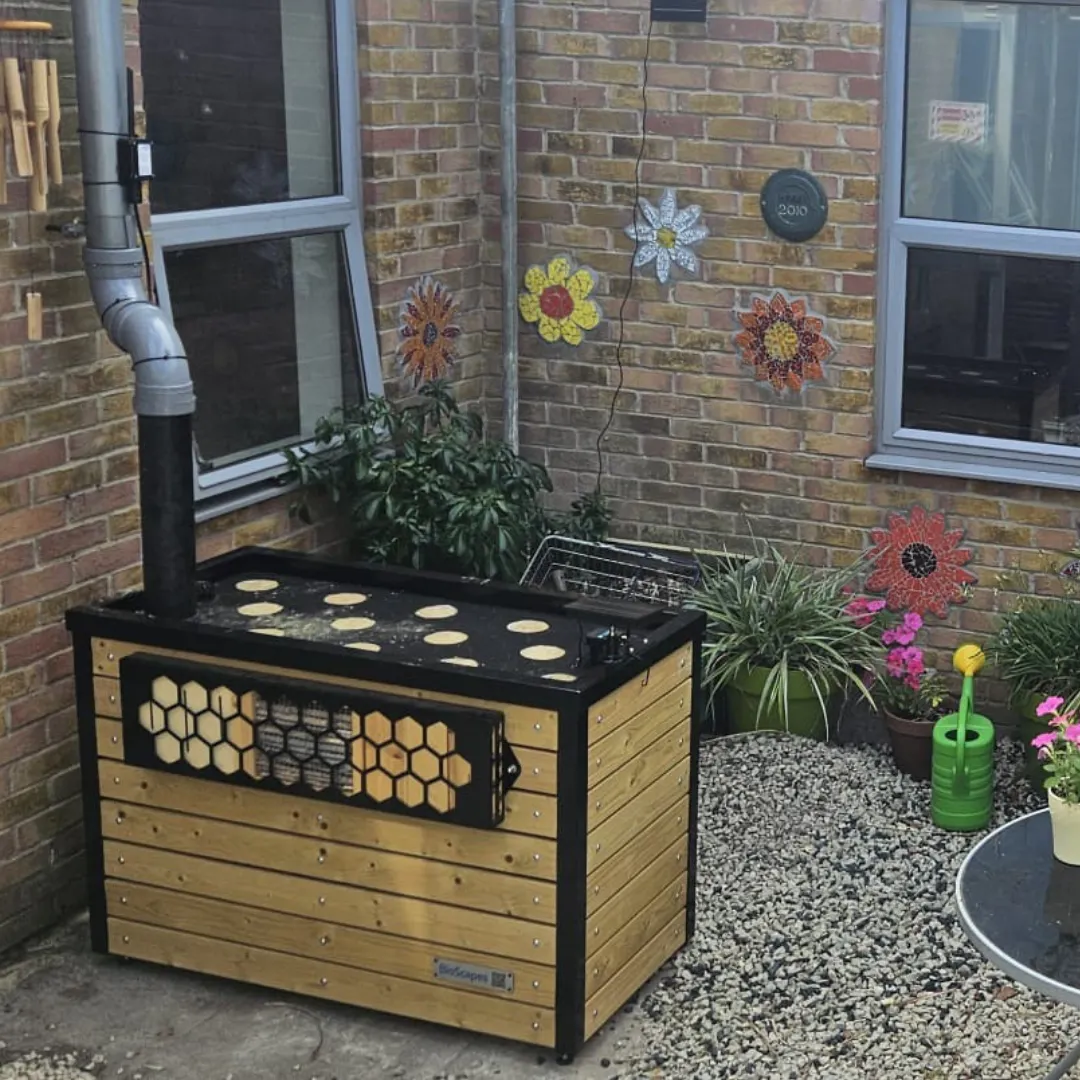
How can SuDS help tackle flooding and sewer spills?
- Surface water flooding: this happens when rain can’t drain away fast enough and starts to pool on streets, pavements, or gardens.
- Sewer spills: In some areas, rainwater and wastewater share the same pipes. When too much water enters at once, the system can overflow.
Sustainable drainage helps with both. By slowing rainwater down and reducing how much enters the drainage system at once, it:
- Gives drains more time to cope
- Reduces peak pressure during storms
- Lowers the risk of flooding and overflows
Even small changes, spread across a neighbourhood, can make a noticeable difference.