What causes sewer spills?
You may have seen headlines about sewage in our rivers and seas.
Find out what causes sewer spills, why they're happening and how we can tackle this issue.
What is a sewer spill?
Also known as a CSO, sewer spills happen when wastewater systems, that carry waste from toilets, sinks and drains, become overwhelmed.
This releases partially treated water (effluent) into the environment, like rivers, streams and the sea.
Drainage systems were intentionally designed this way, to prevent sewage backing up into homes.
Today, there are many reasons why this is happening more frequently.
Keep reading to find out why.
Did you know sewer pipes are not very wide?
They're often between 11cm and 16cm.
That's around the size of a post card!
Why do sewer spills happen?
The TLDR answer: too much water, all at once.
This is because we have "combined sewers".
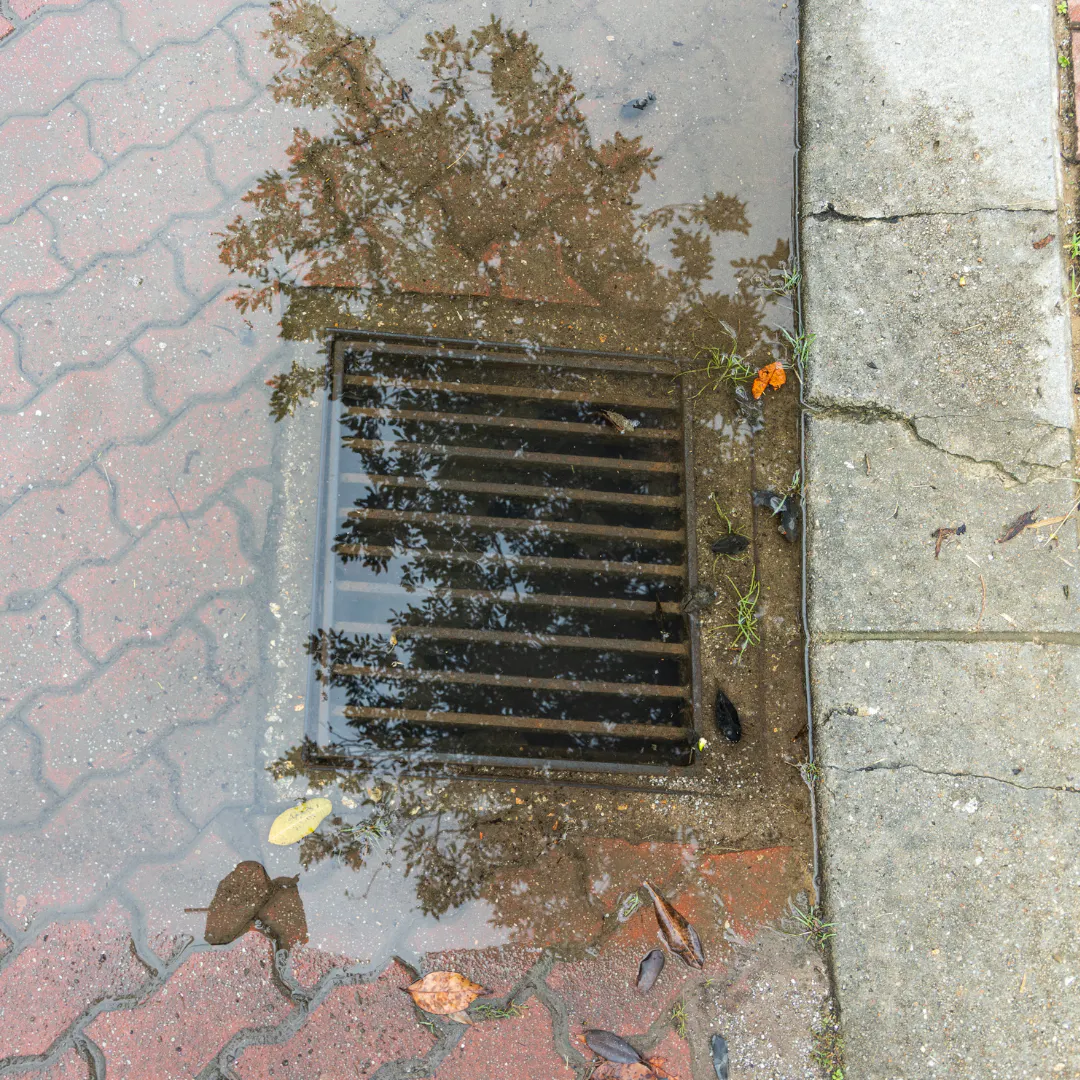
Meaning drains carry wastewater from our homes AND all the rainwater the rushes into them.
Instead of water backing up into our homes, excess water is released to relieve the pressure.
What are the causes?
There are multiple causes, making sewer spills challenging to tackle.
- Heavy Rainfall
- Hard Surfaces
- Blocked Pipes
- Ageing Systems
- Population Growth

Heavy rain rushes into systems
Sudden and intense downpours put additional pressure on drainage systems. Climate change is making these more frequent and unpredictable.
Many of our sewer systems were built during the Victorian times and not built to handle such large quantities of water.
What are the impacts?
It is likely you have seen on the news or social media the awful impacts sewer spills can have on the environment and people.
- For the environment
- For people
- For communities

- Increased pollution in rivers and seas
- Harm to wildlife and ecosystems
How can we help prevent them?
The good news is, there are steps we can take to help tackle this issue, that everyone can be a part of.
"Slowing the flow' of rainwater entering drainage systems or keeping it our entirely will help ease pressure on drainage systems.
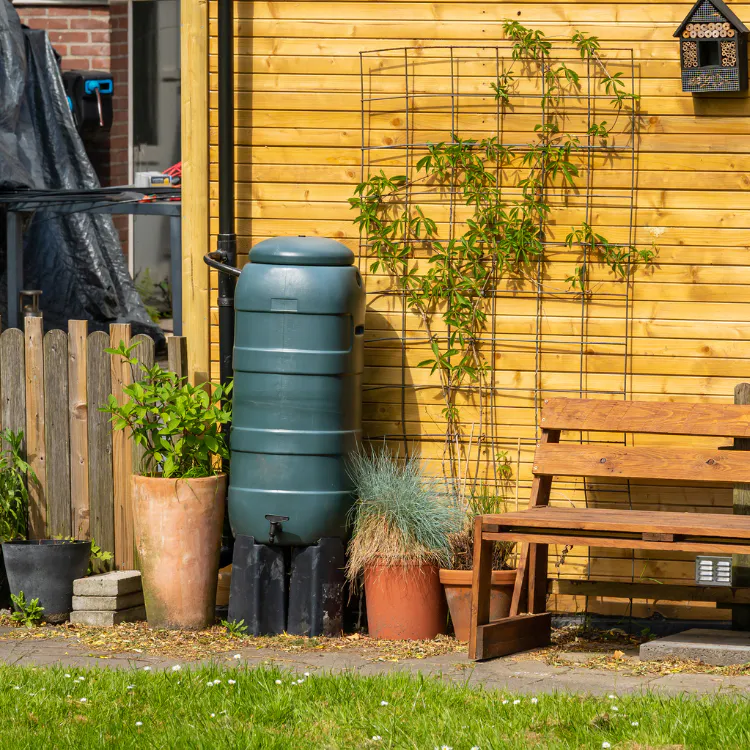
This can be done by fitting a water butt or rainplanter to your downpipes - sometimes simple solutions work the best!
Doing this holds back, on average, 200 litres of water from drains, every time it rains heavily.
That is the same as a 1 - 2 bathtubs of water, which might not sound like much... but if every house did this?
The impact would be huge.
Other ways to help tackle the issue
- Don't Pave your Garden
- Stopping Blockages
- Take Action

When rain falls on grass, it soaks in naturally. Whereas on hard surfaces, it rushes into drains, adding pressure to the system.
Whilst it's tempting to pave your garden for easy maintenance, it is more likely to make sewer spills and surface water flooding worse!
Instead try to:
- Keep or introduce green spaces
- Use gravel materials that let water through instead of solid paving
- Add plants or flower beds
Want to be part of the solution?
Rainwater capture projects are already helping communities ease pressure on sewers, and you might be able to get involved.
By capturing rainwater at home, you can:
- Help reduce pressure on drains, reducing the chances of sewer spills
- Used stored water for outdoor areas, reducing bills
- Help protect your local rivers and water ways