Are you using the wrong metrics?
Are we just pedants?
TDLR: Yes, for good reason.
Nothing quite riles up Our Rainwater's technical whiz, Ari, like measuring success using the wrong metric.
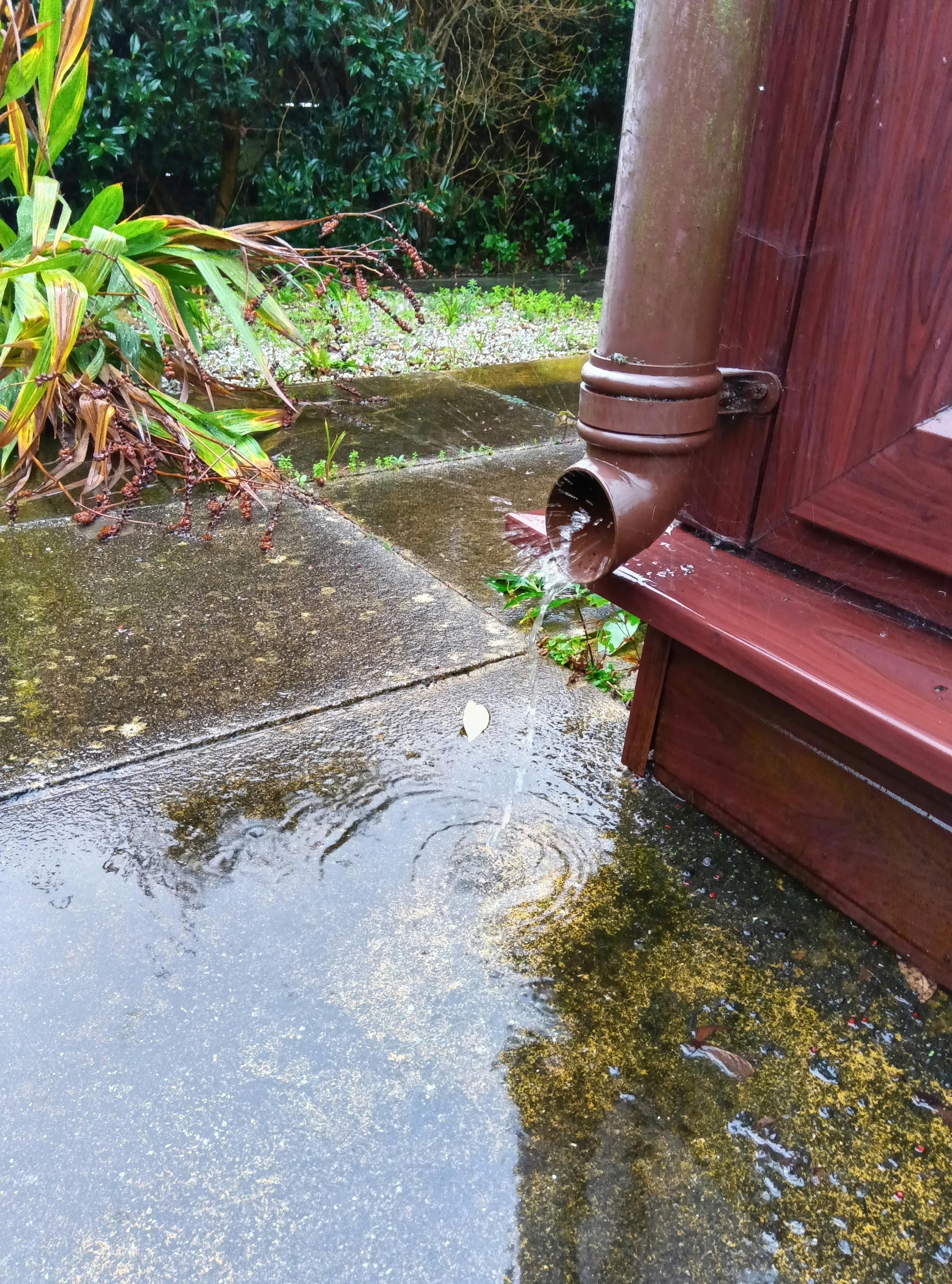
Attenuation is a pretty tricky concept.
You have to think, not just about the volume of water you're catching, but also how fast you're letting go of it.
For that to be a useful number you have to already understand the context:
- what would those numbers be if you didn't intervene at all?
It's therefore understandable the water industry tries to simplify things.
Here are some of the classics:
- How many houses will you sign-up?
- What severity storm can it handle?
- How many litres of storage are you adding?
The problem, of course, is that if you use the wrong metric to measure success, you'll end up optimising for failure instead!
Keep reading to find out more about each of these questions.

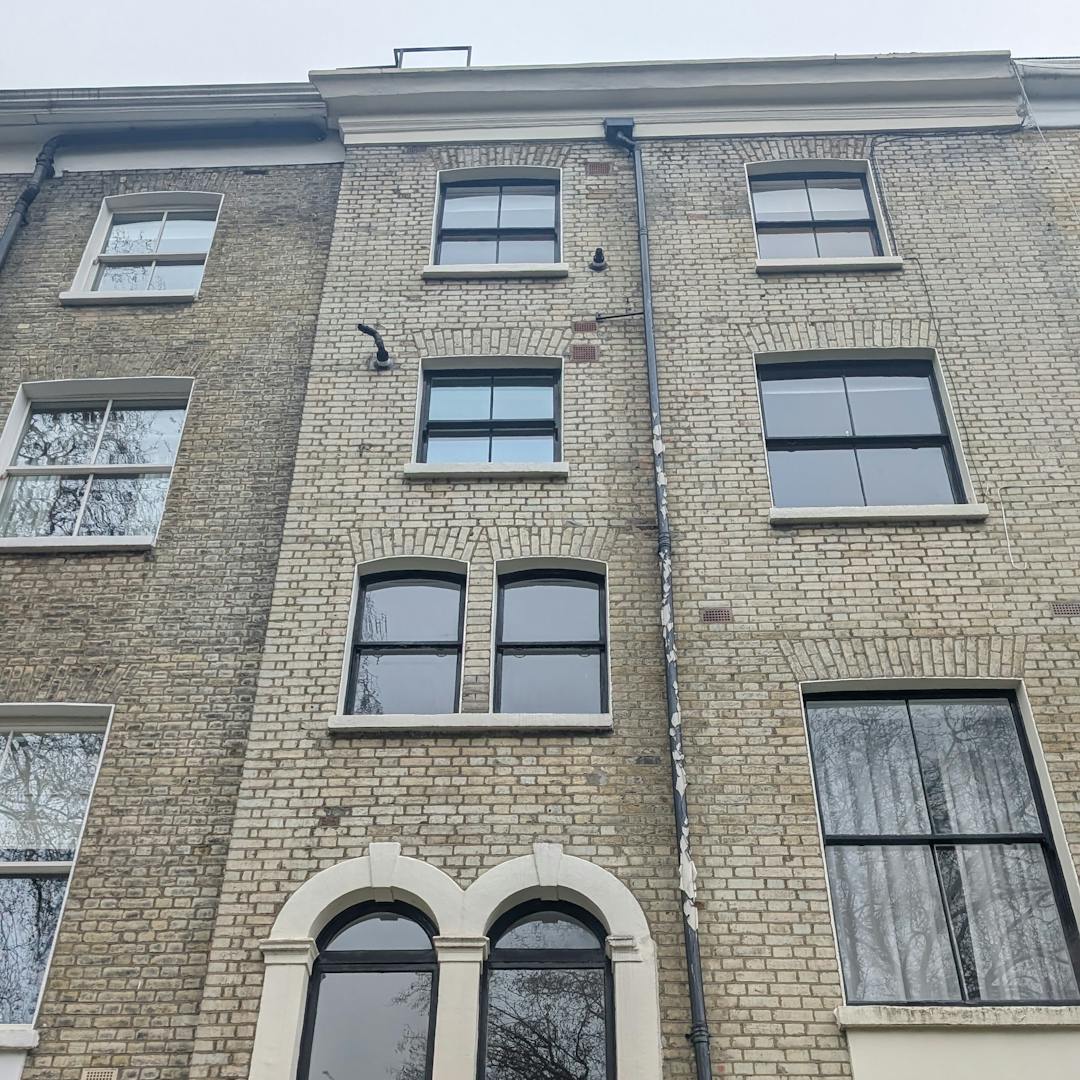
> How many houses will we sign-up?
Each house is built different, literally...
- Some houses have more than one down-pipe, whilst some have none.
- Some have tiny roofs, and some have massive ones.
A number of houses isn't a good proxy for roof area attenuated, which is only one piece of the attenuation puzzle!
If we wanted to maximise uptake we'd suggest very pretty, very small interventions, with minimal attenuation volume and maximal storage volume for householders to use.
But this sort of intervention would be pretty useless at holding back severe storms!
> What severity storm can it handle?
Well what do you mean by handle?
It's tempting to interpret "handle" to mean "attenuate without surcharging".
You can stop an attenuation tank from surcharging by increasing the attenuation rate so it drains faster, but this also means it doesn't hold back runoff as well.
In fact, to guarantee it won't surcharge, you could just make the attenuation rate faster than the rate that the downpipes can take, then it'll handle very severe storms (but do nothing whatsoever to slow the flow...).
We spend a lot of time and effort optimising attenuation rates and volumes to get the right outcomes, and a lot of that is spent helping clients arrive at what they mean by "handle"!

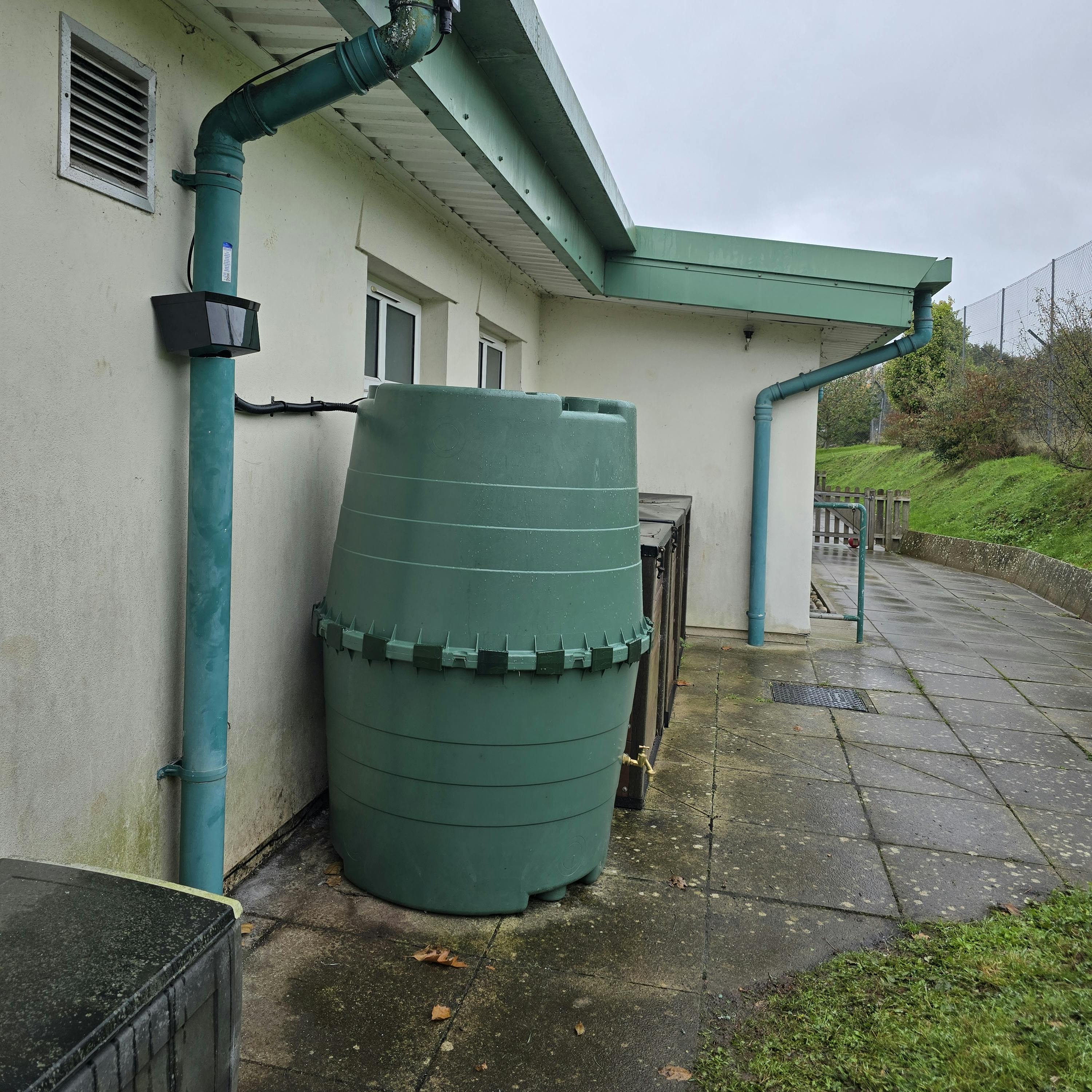
> How many litres of storage are you adding?
Strictly speaking, quite possibly none.
Attenuation interventions are designed to slowly self empty to make space for more runoff, and if they do this slowly it will make a negligible contribution to the drainage network.
So there's no storage.
Most roofs aren't big, and most storms aren't severe, so above a certain attenuation volume there's no point adding more, because it'll never fill up!
Where there is room, we often do add some storage for householders to use in the garden, but that's not offering any attenuation capacity!
So next time you see a headline from an organisation that's done a load of "slow the flow" work, see if you can work out what the runoff rates are like before and after - that's the ultimate measure of attenuation performance.
A number of litres caught, a return period storm "handled", or a number of householders signed-up isn't really evidence that rainwater is actually being managed!