Flood Action Week 2026
This Flood Action Week, the Environment Agency is asking everyone to do three simple things: check your flood risk, sign up for flood warnings and make a flood plan.
- Flood Action Week
- Flood Alerts
- Flood Prepared
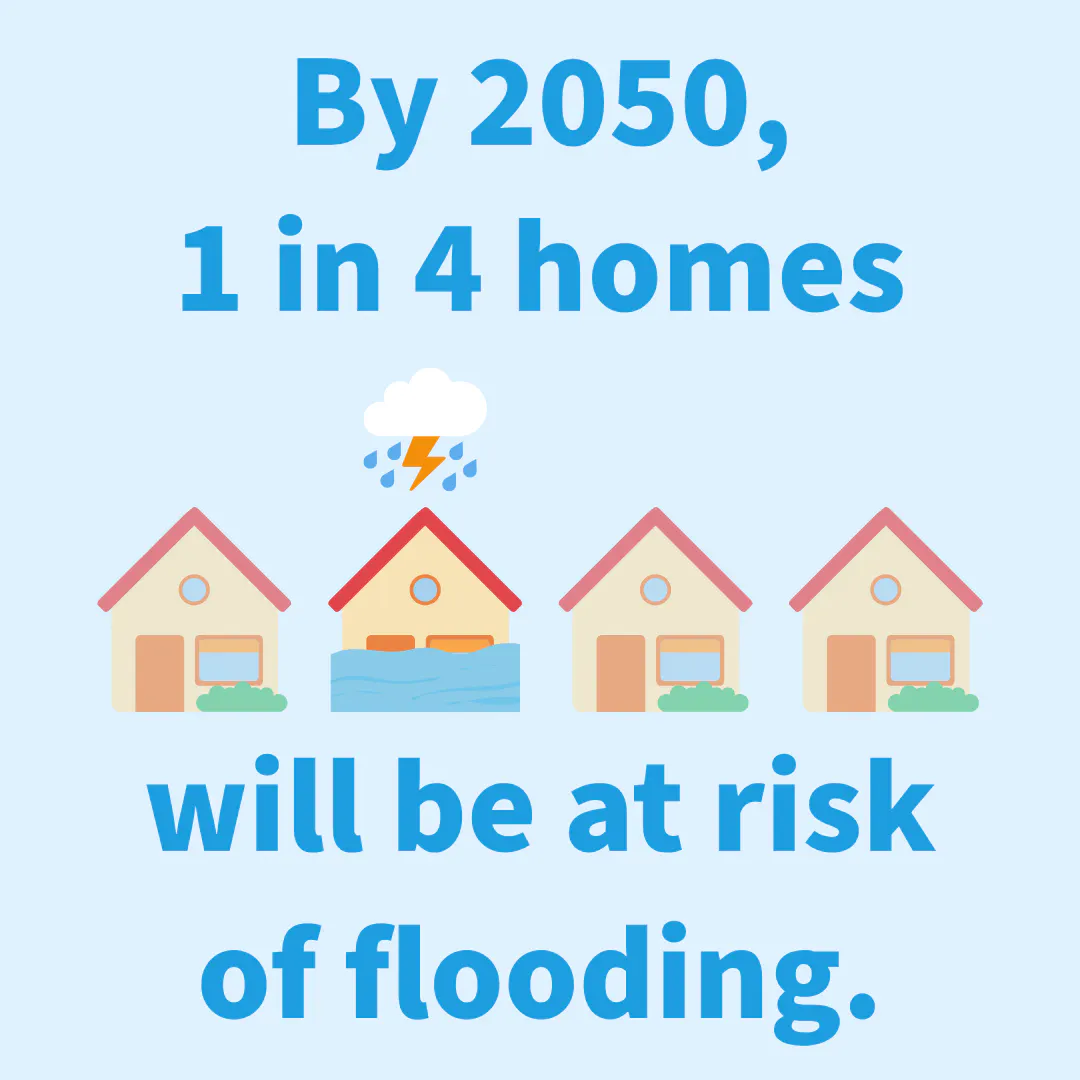
Small actions add up
It matters.
6.3 million homes and businesses in England are at risk of flooding, yet 45% of people have never checked their property's flood risk.
When we picture flooding, we often think of rivers bursting their banks. But the most widespread risk is often much closer to home: surface water flooding.
This happens when rain falls faster than the ground and drains can take it away. The Environment Agency estimates that around 4.6 million properties in England are at risk from surface water flooding.
When rain has nowhere to go
In July 2021, intense rain hit Notting Dale and North Kensington in London. 76 streets and more than 500 properties were affected, causing hundreds of thousands of pounds of damage.
North Kensington Library was one of the places hit. It closed for more than eight weeks, the children's library suffered the worst damage, and the lift was out of action for over a year. That cut off access for people with mobility issues. As Library Manager Fiona Monks put it, "within 12 hours, widespread impacts were felt".
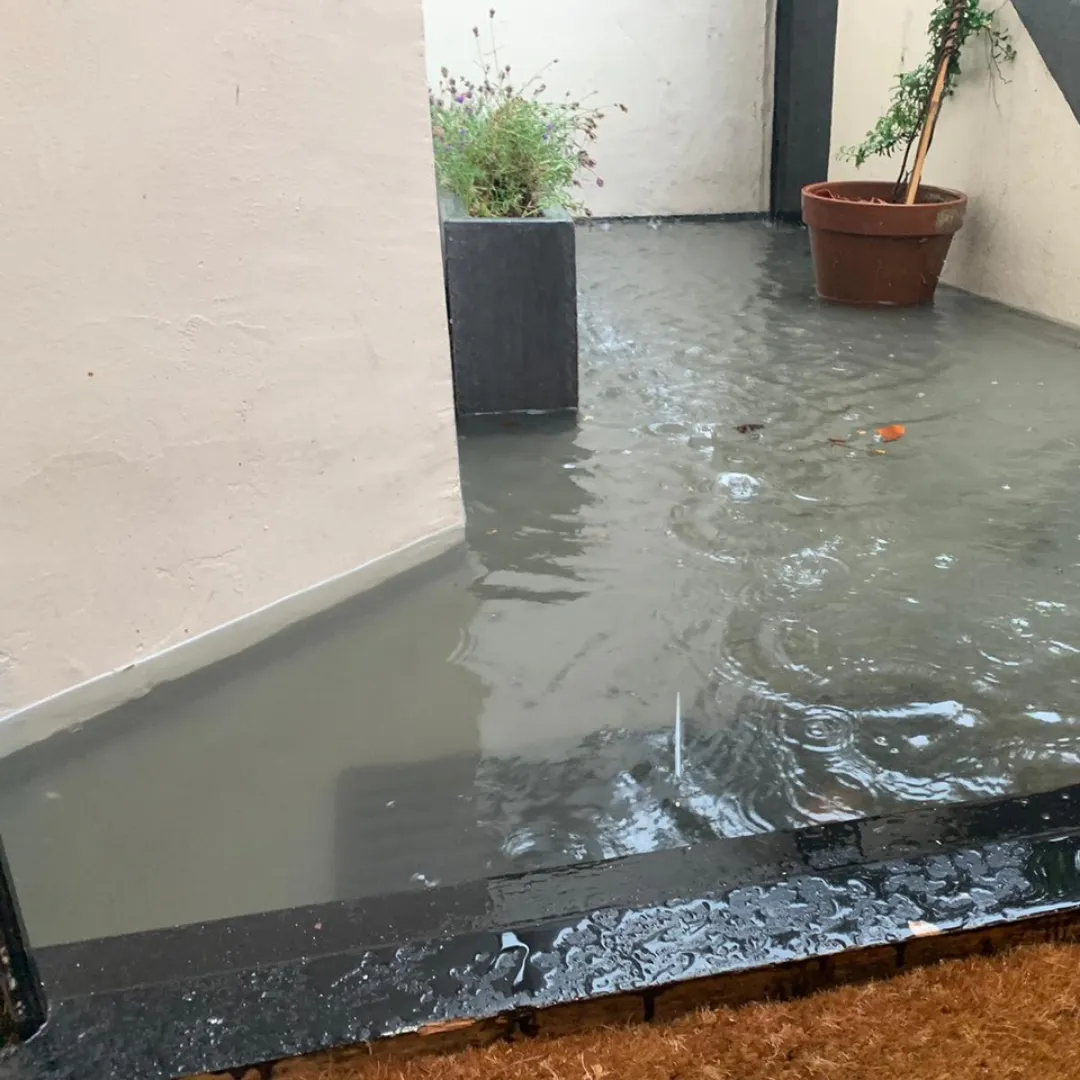
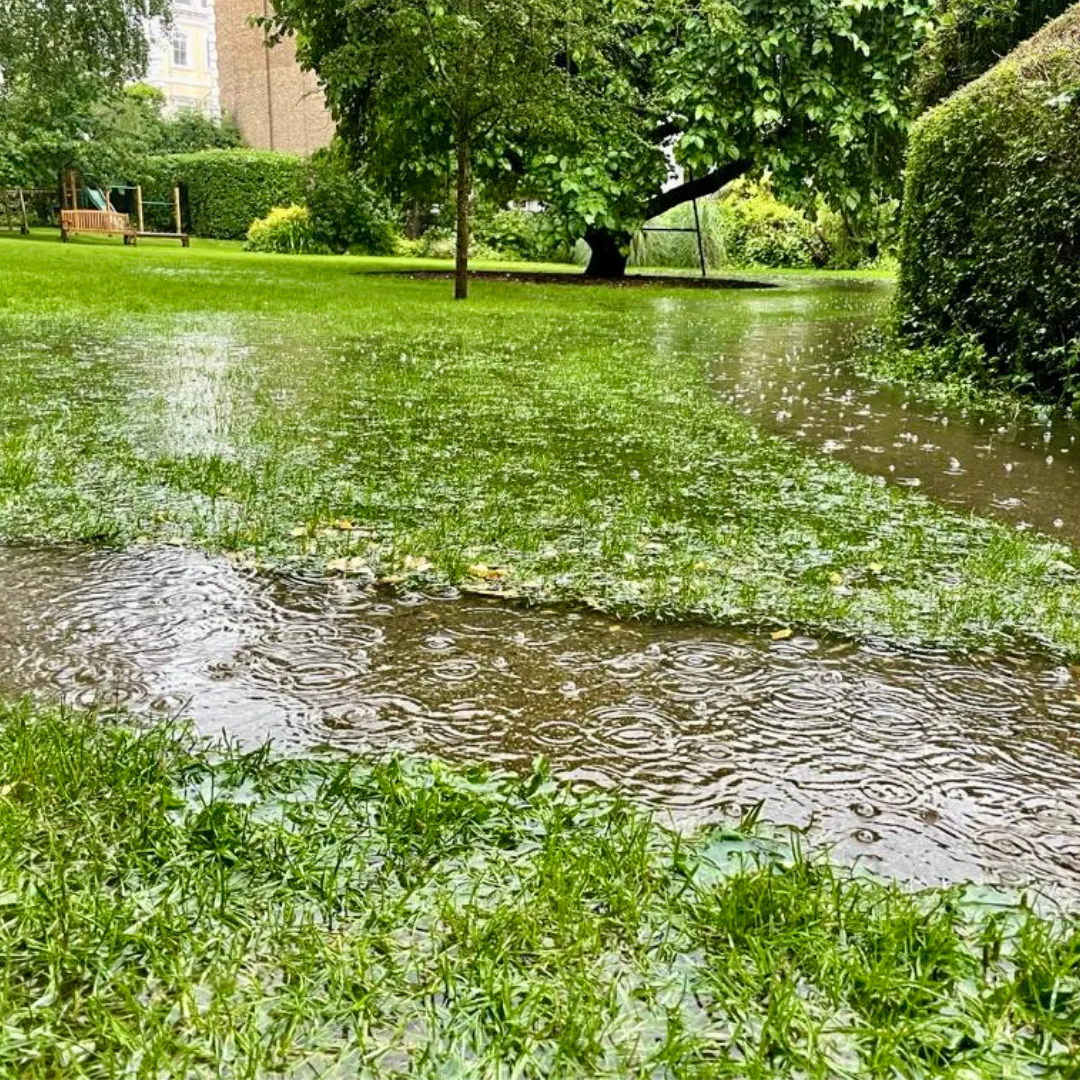
Chipping Sodbury and Yate
Surface water flooding isn't just a big-city problem. In November 2024, Storm Bert brought around 60% of November's rainfall in a single weekend to South Gloucestershire. Falling on already saturated ground, it overwhelmed local drainage, and 34 homes were flooded across Yate and Chipping Sodbury, including in Slimbridge Close and Littledean in Yate.
The council's investigation found that surface water is the biggest flood risk in the district, with 4,633 homes at high risk. One affected resident described the "huge personal impacts… both financial and emotional" of the months that followed.
Community Action
The area also faces flood risk from the River Frome, and the Environment Agency continues to work with partners on options to reduce it (GOV.UK).
The community is already taking action. At Chipping Sodbury School, 172m² of hard, sealed surfaces have been turned into rain gardens and sustainable drainage. One courtyard alone is expected to stop more than 340,000 litres of water a year from entering the drainage system.
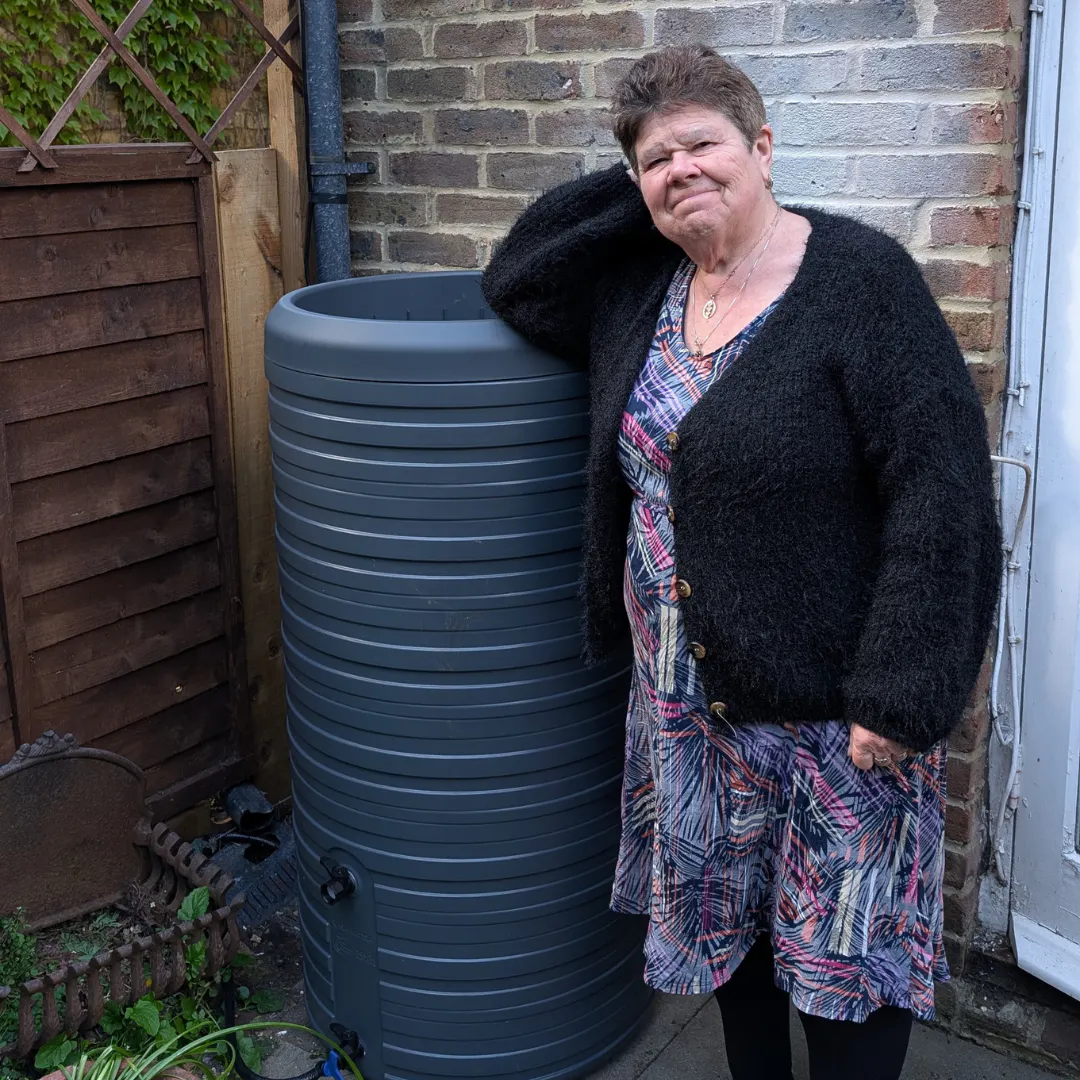
How Can Rainwater Capture Help?
Every time it rains, water runs off our roofs, down our downpipes and straight into the drains. Multiply that across a whole street and the drains can quickly be overwhelmed.
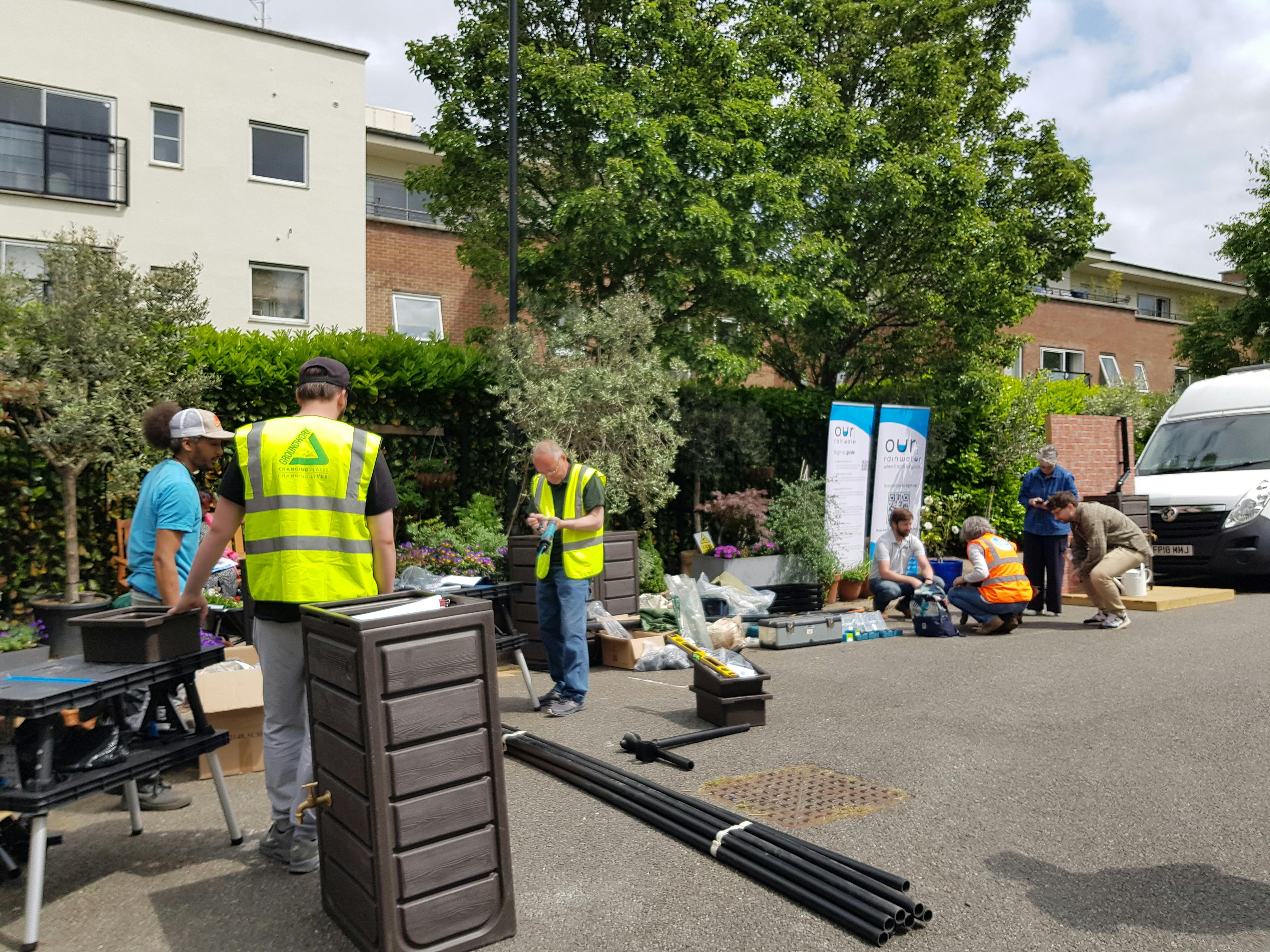
Rainwater capture devices such as leaky water butts and rainplanters catch that water at the downpipe. They hold it back and release it slowly, so it doesn't all reach the drains at once. One device on its own might not feel like much, but across a neighbourhood the difference adds up:
- Eastbourne: more than 100 water butts installed, adding over 20,000 litres of storage
- London and beyond: our community rainwater project with Thames Water achieved a 70% reduction in peak flows
- Southend-on-Sea: 35 monitored devices across 21 homes, a school and heritage buildings, adding 7,689 litres of storage
More than a water butt
Rainwater capture projects do something just as important as storing water: they start conversations.
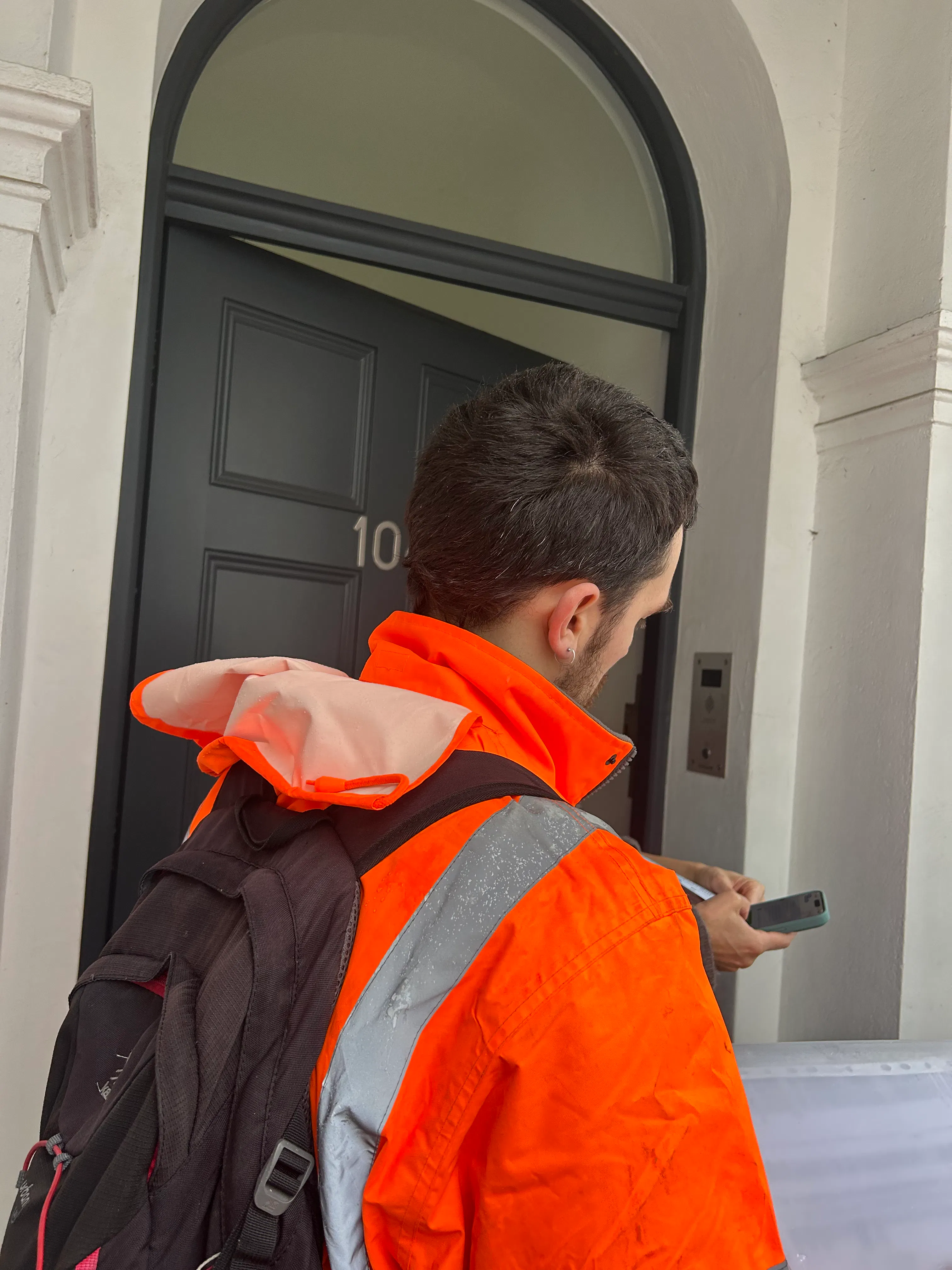
In Notting Dale and North Kensington, our team knocked on more than 400 doors to talk to residents about surface water flooding and how they could help. In Southend, our Fairmead in Bloom competition kept residents involved long after installation, with 84% of residents engaging with us during the project.
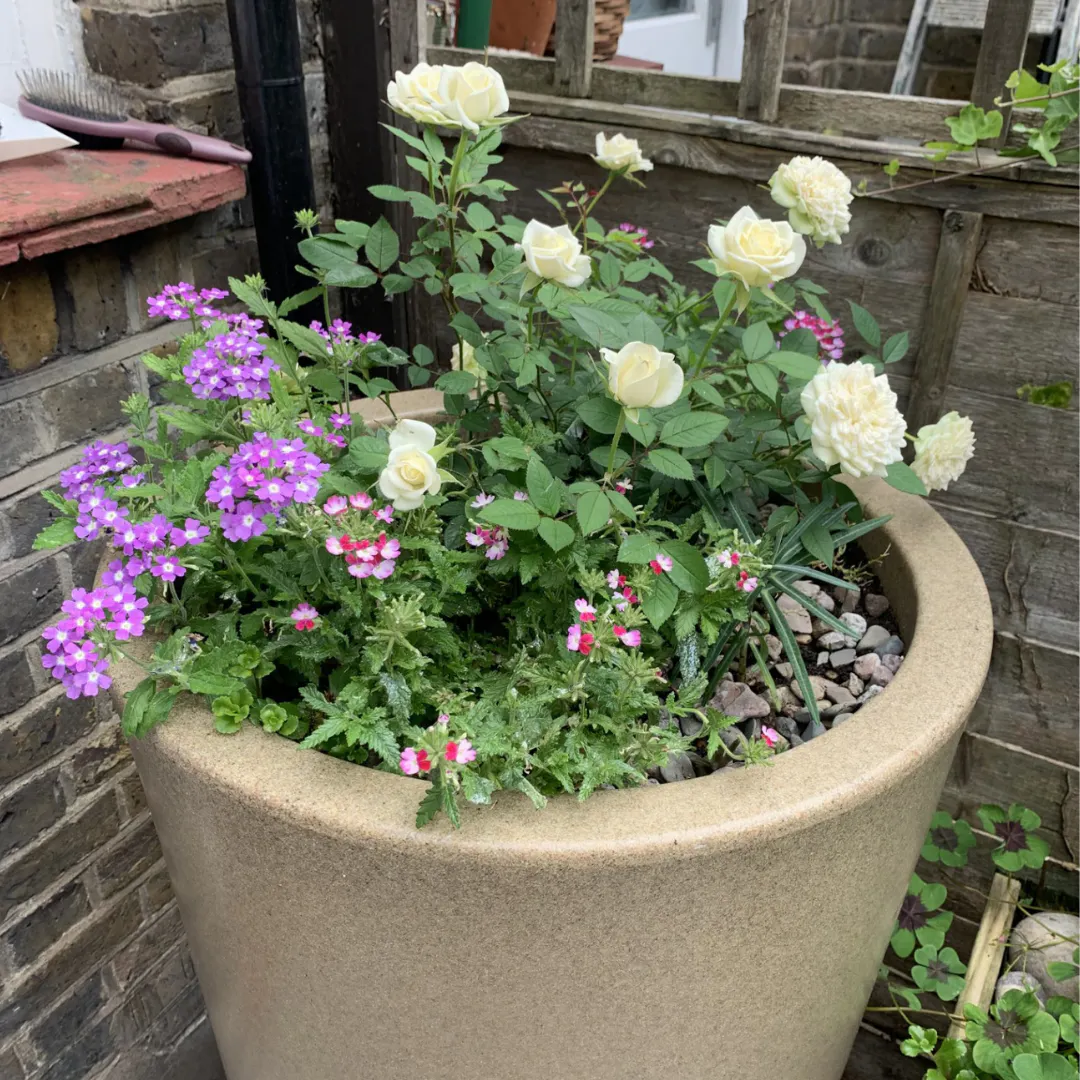
Every planter on a doorstep is a reminder that rain doesn't just disappear. It has to go somewhere. When neighbours understand that, they're more likely to keep drains clear, check their flood risk and look out for each other when bad weather hits. That's how a whole community becomes part of the solution.
Get Flood Ready this Flood Action Week
- Check your flood risk
- Sign up for flood warnings
- Make a flood plan
Look up your address, including surface water risk, at:
Other ways to be prepared?
Keep drains and gutters clear: Report blocked road drains to your local council.
Slow the Flow at Home: Fit a water butt or rainplanter, and keep front gardens green rather than paved where you can.
Get support: The National Flood Forum offers free help and advice to people at risk of or affected by flooding.
Be part of the solution
Flooding can feel like something that just happens to us. But small actions, taken together, really do make a difference. Find out if there's a project in your area.