Fairmead Avenue, Southend
1 street and our biggest challenge yet
Despite severe delays to this project, strong connection with the community led to successful uptake of SuDS in Southend.
Slowing the Flow in Southend
Completed in summer 2026, this project targeted one road in Southend-on-Sea, Fairmead Avenue. As part of Catchment to Coast, a DEFRA funded programme exploring ways to build flood and coastal resilience.
Rainwater planters now capture and slow rainfall, easing pressure on local drains, whilst monitors provide real-time data about their performance.
Delays to the project presented an interesting engagement challenge, re-engaging the community after a one year delay.
Find out more about this project below.
The results

Fairmead Avenue, Westcliff-on-Sea

35 rainwater planters at 21 locations

7,689 litres of rainwater storage added

102 sq ft of habitat created through planting space

Homes, schools, religious sites involved
Project Partners


The Challenge
Residents on Fairmead Avenue signed up in strong numbers in 2025. Then a series of delays behind the scenes put the project on hold for a year, and the planters on offer changed.
When installation became possible again, the job was about more than getting planters in. It meant winning back a community’s confidence after a long wait, with a different offer.

2025
In March 2025, residents received a letter from Southend City Council introducing the scheme.
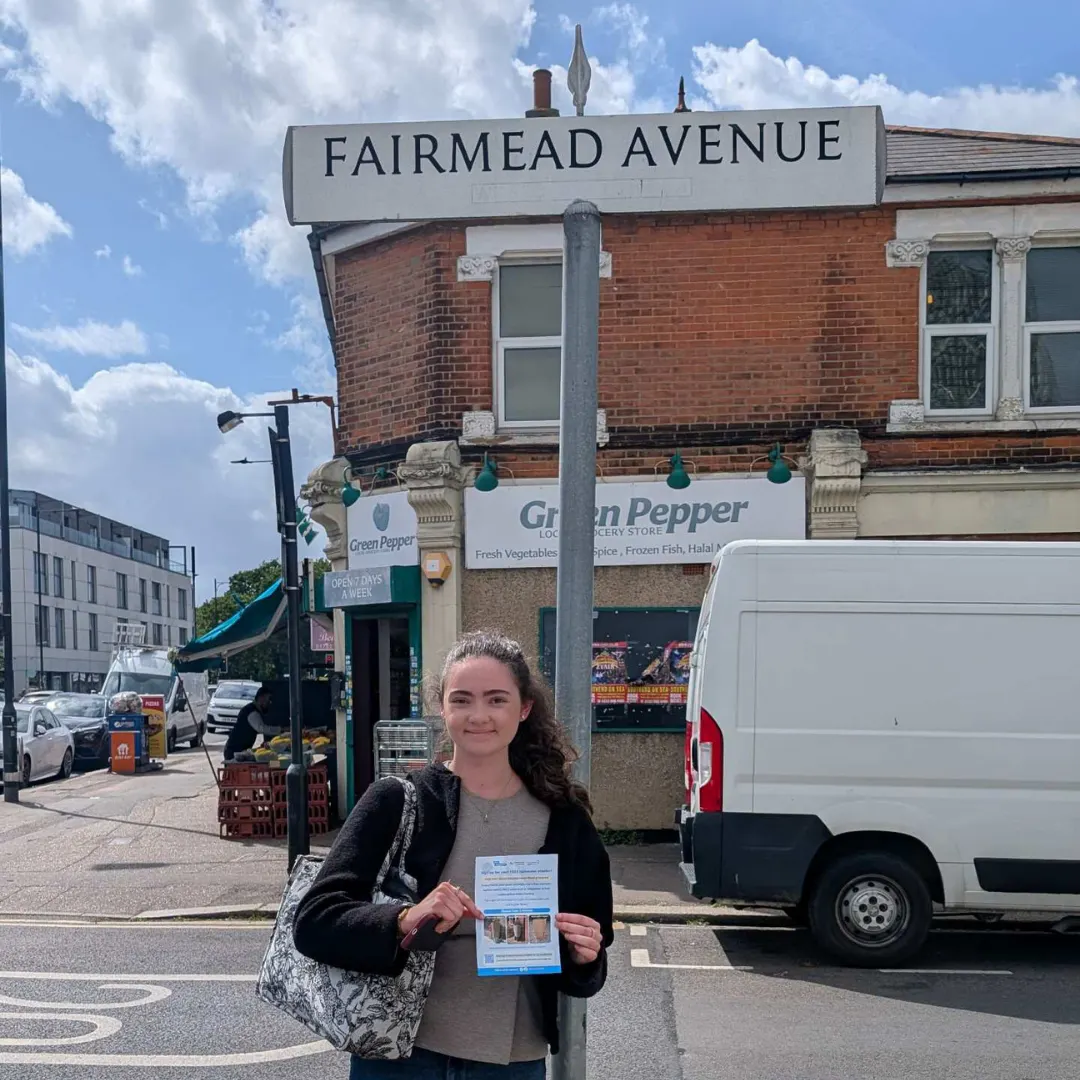
Over two days, the team door knocked around 133 properties on Fairmead Avenue, speaking to residents at 44% of them and leaving leaflets at the rest. They also visited local businesses and community groups, and a colleague from the council joined to answer residents’ questions.
Where people were interested, the team helped them sign up on the spot, including householders who might find online forms harder. Residents started sharing the project in their local WhatsApp group, and even those who weren’t eligible asked how they could make space for a planter.
The project started with great enthusiasm from the local community and residents were eager to get an installation scheduled.
2026
After more than a year since residents first signed up, we had to rebuild interest in the project with a different set of products on offer.
We kicked off with another letter sent via Southend City Council in May 2026. The team followed up with the original sign-ups, knocked on every door and left leaflets. Local businesses and organisations were also approached to help spread the word.
The reaction was warm; new sign-ups were helped through the sign up process and many existing ones were happy the project was back on track.
“I’m so delighted you’re back, I thought it might never happen.”
Some residents were once again keen to get involved, offering to spread the word on the street:
“If you have something I can share on the road WhatsApp chat I’m happy to do that - ideally an image or flyer or something like that?"

What did the delay cost?
The pause cost momentum and lost some residents due to change of circumstance, preference or situation. This resulted in a higher than normal churn rate highlighting the importance of projects avoiding these types of delays.
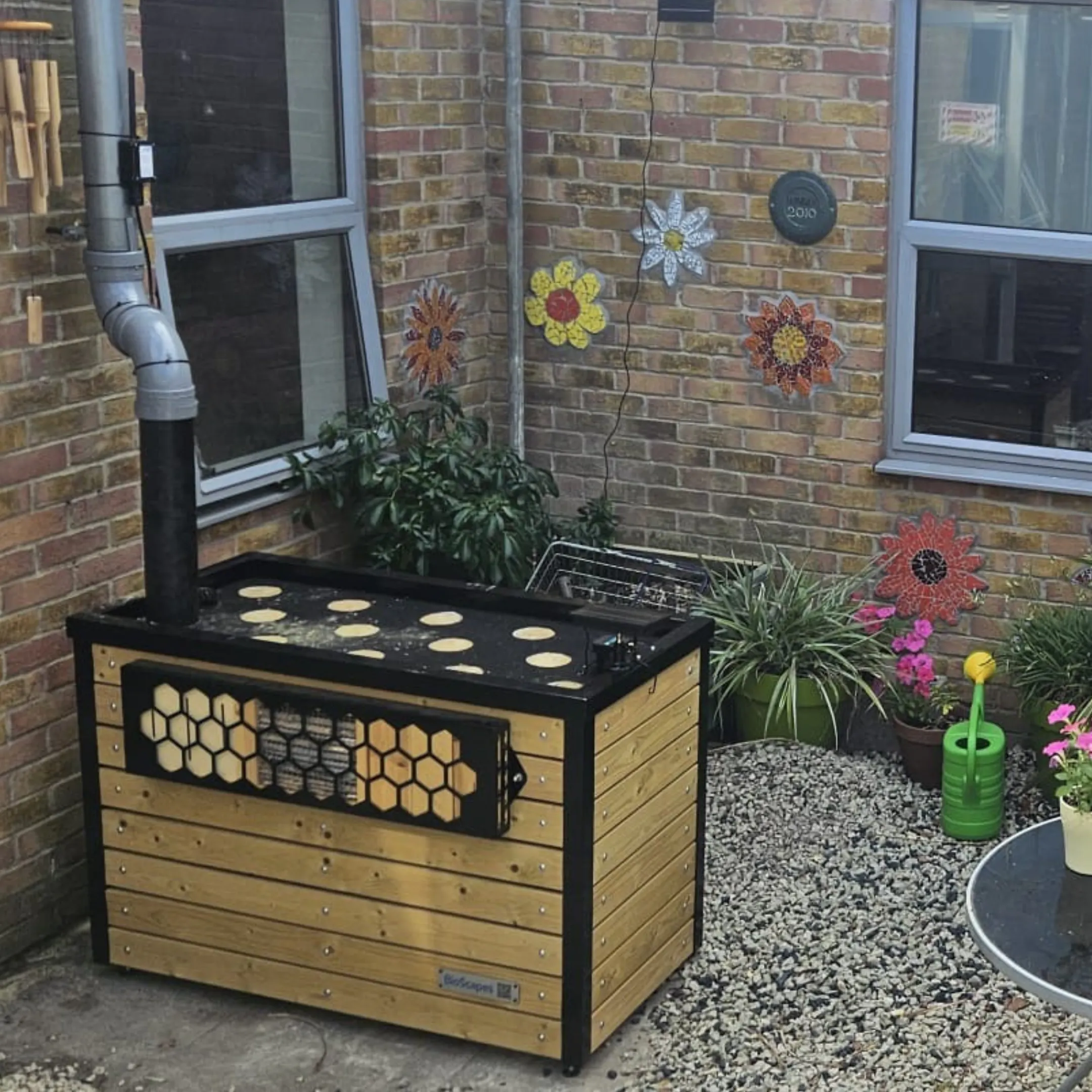
Installations
Installations took place in two rounds across June and July. In total, 35 rainwater planters were installed at 21 locations. This included residential properties, schools and places of worship.
Every planter has a monitor fitted. Real-time data will show how each one performs and what impact it has, and it lets the team troubleshoot problems remotely, so the planters keep working for years to come.
Together, the planters add 7,689 litres of capacity, nearly 100 bathtubs of water, ready for the next heavy rainfall.
Fairmead in Bloom Competition
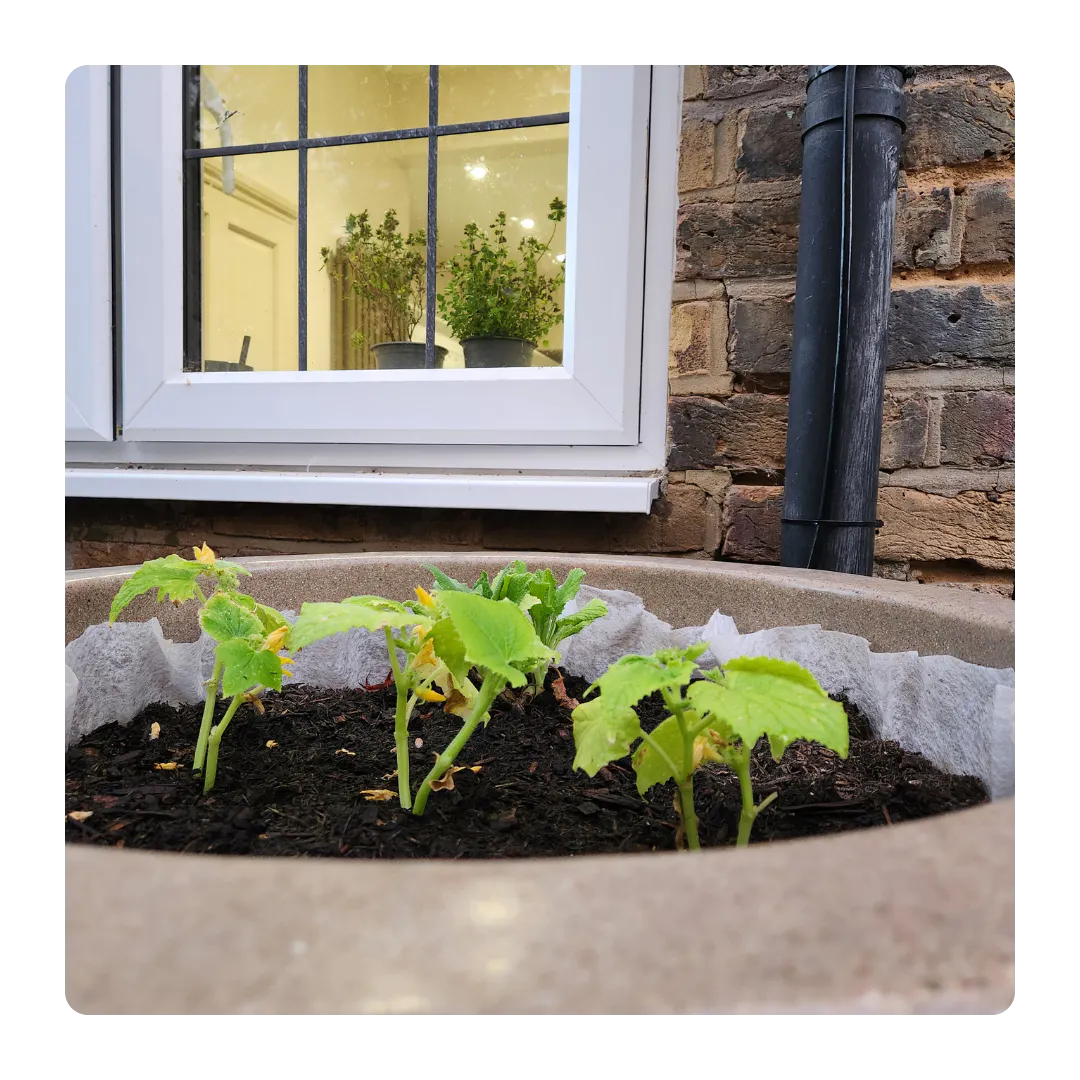
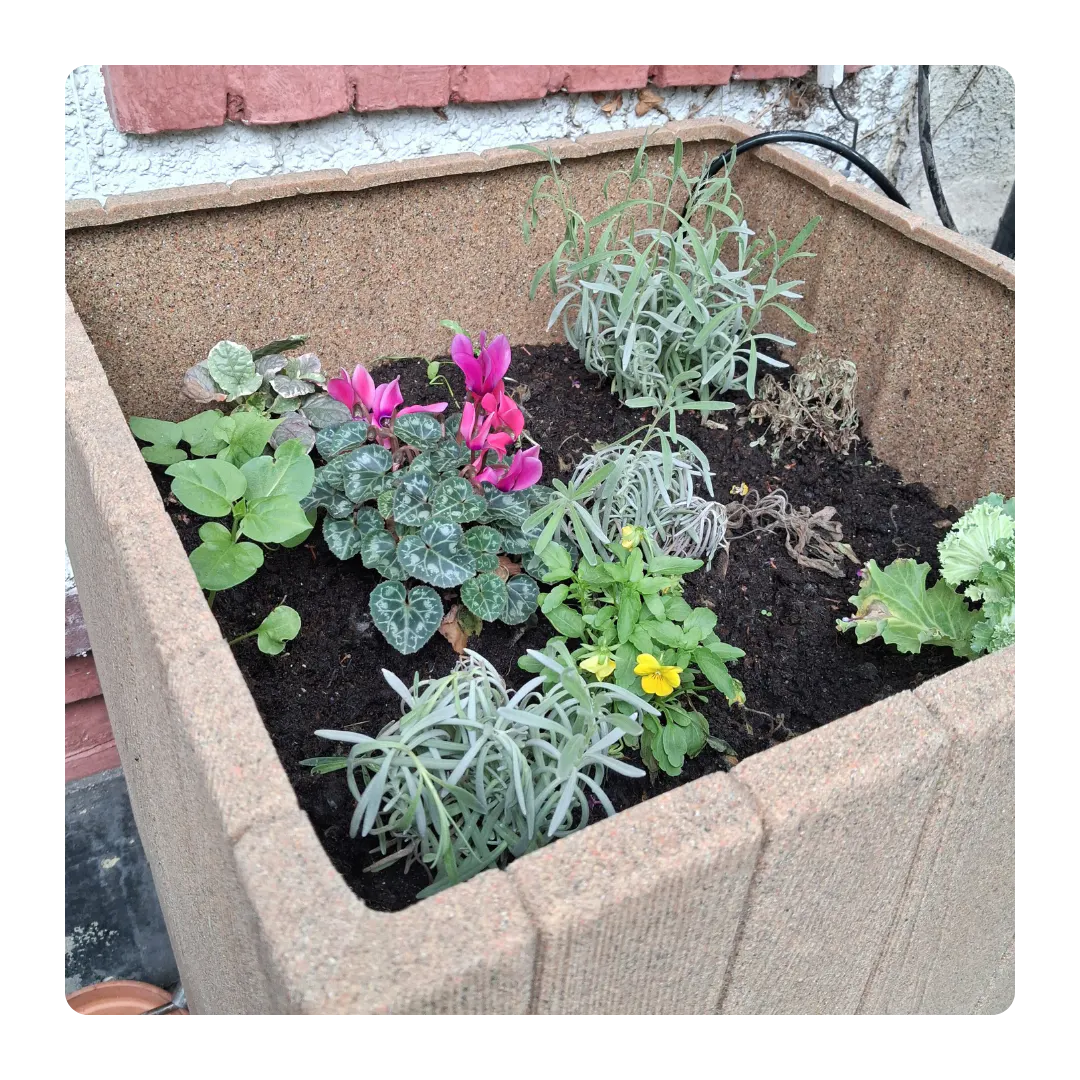
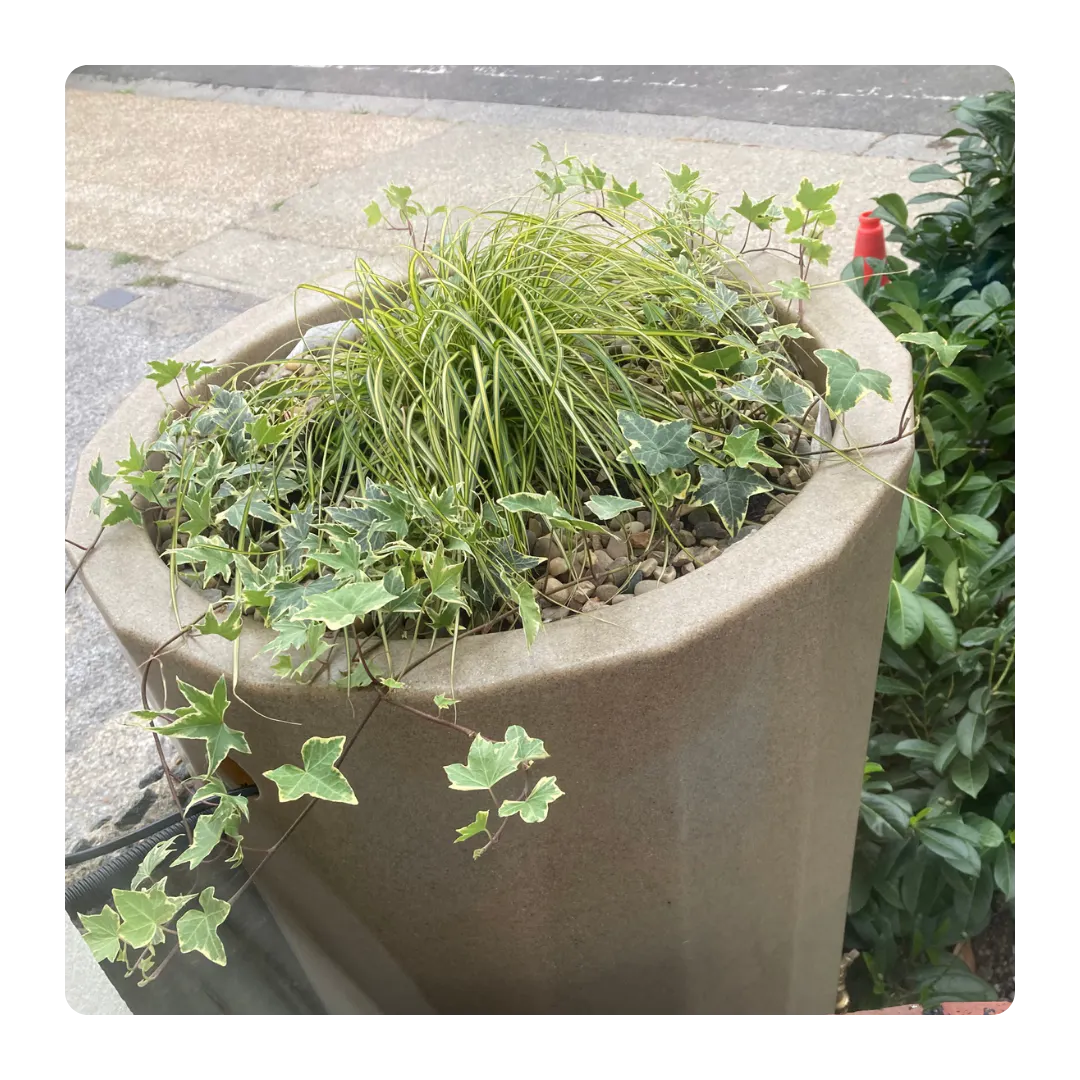
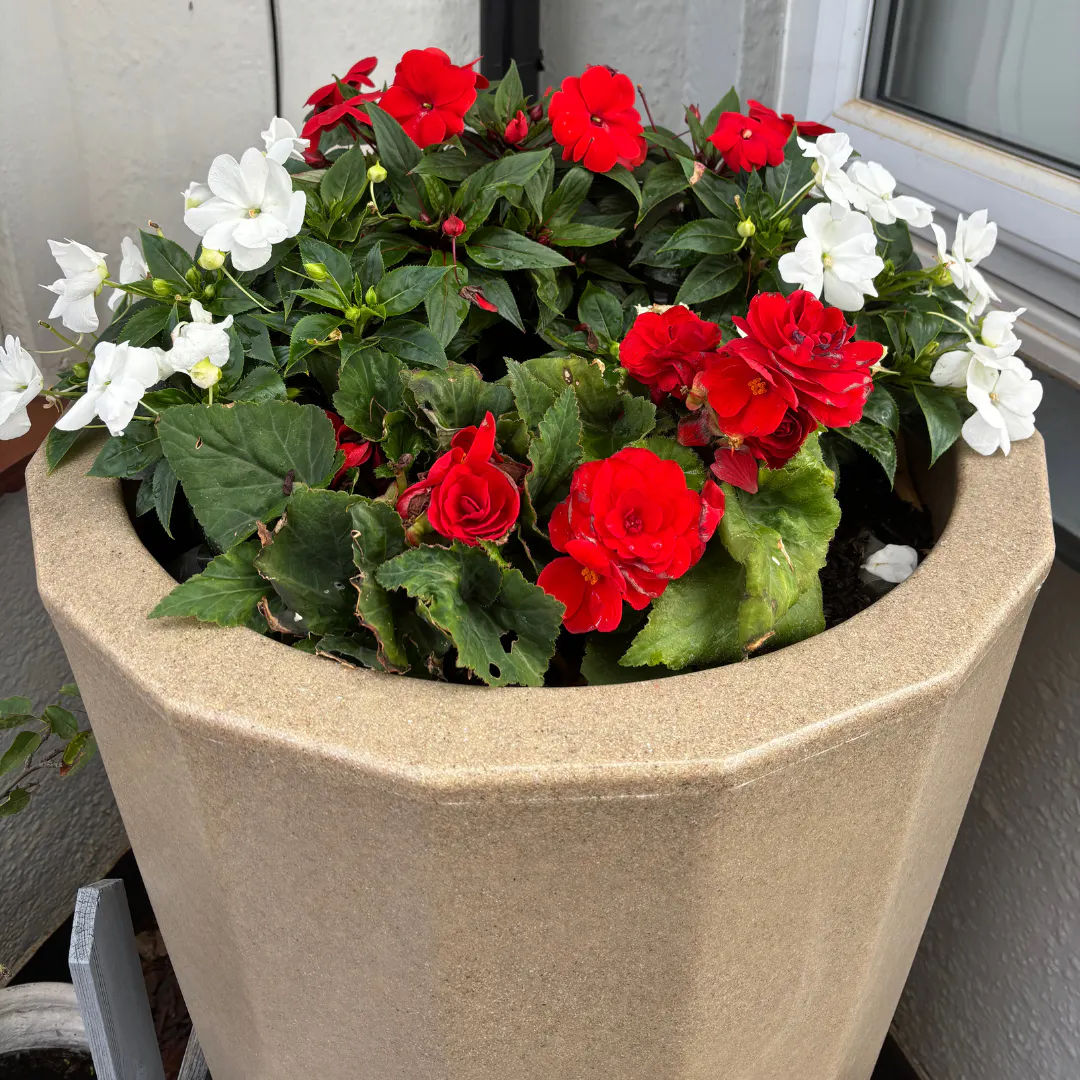
Once the planters were in, a community competition, Fairmead in Bloom, encouraged residents to plant them up and share the results. It ran from 13 July to 11 September and was open to every resident with a planter, whether a seasoned gardener or a complete beginner.
There were two categories: Prettiest Planter, for the most beautiful, creative or eye-catching display, and Young Growers, for budding gardeners under 16.
Each winner received a £100 voucher for a local garden centre. The Prettiest Planter winner also received a Klean Kanteen x Frank Water bottle, supporting clean water for communities around the world, and the Young Growers winner received a bee bomb and bug hotel to welcome wildlife into the garden.
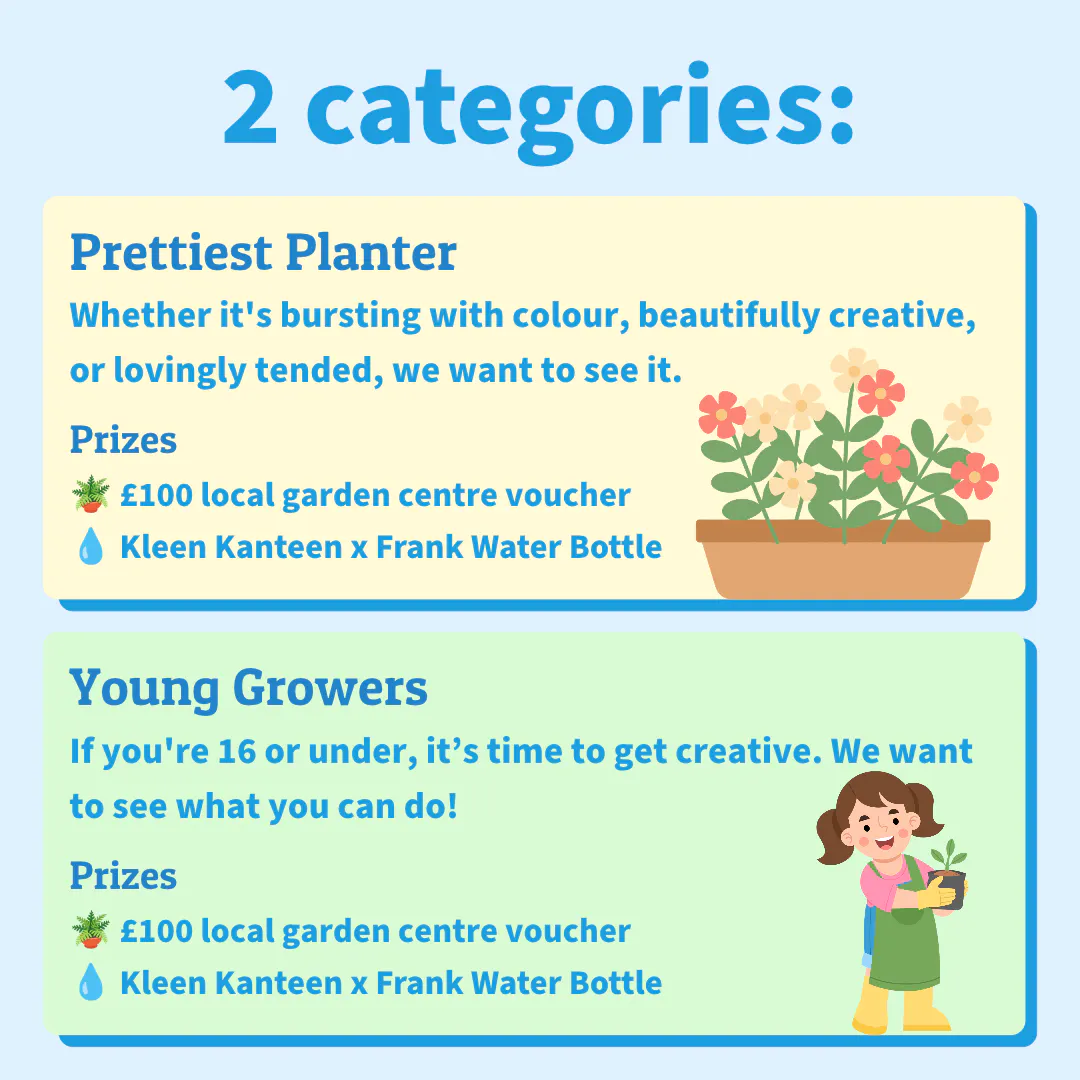
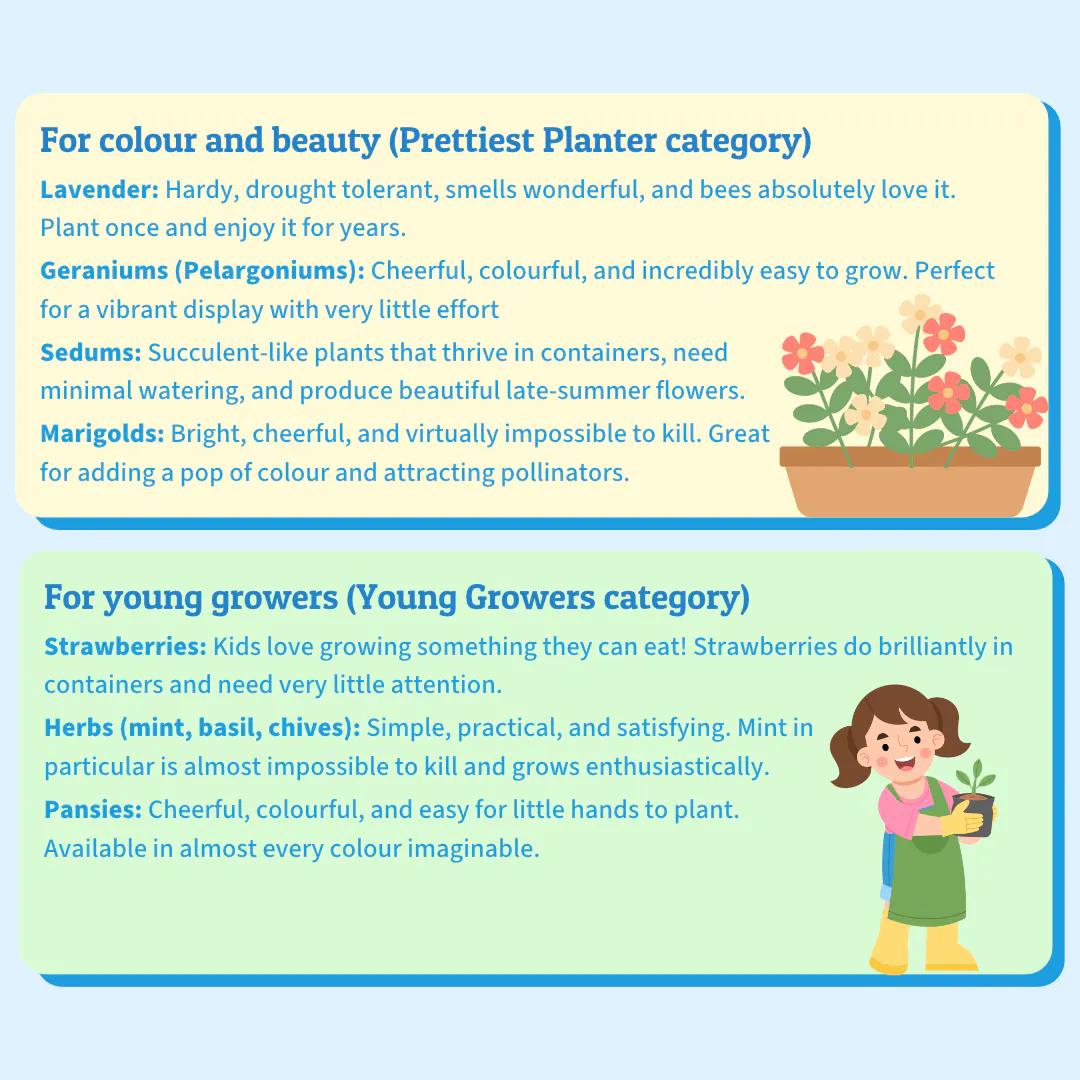
To help everyone take part, residents received a free planting guide with ideas and plant suggestions, and were encouraged to water their plants with the rainwater stored in the planter. Emails, phone calls and social media spread the word.
The incentive made a difference. 84% of residents with installations responded, whether by entering, speaking on the phone or replying to an email, and 40% more residents sent photos than in a similar project without an incentive.
The solution?
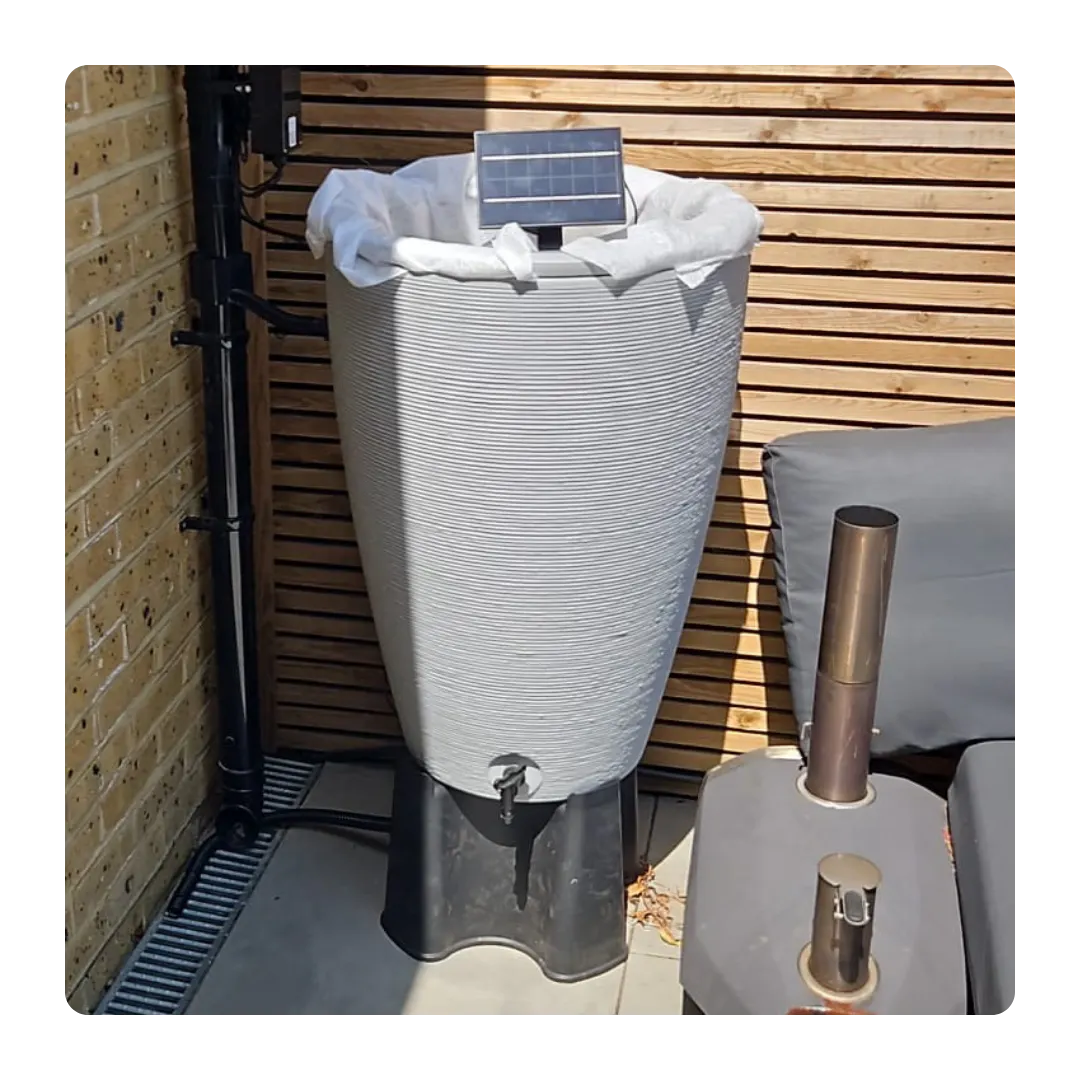
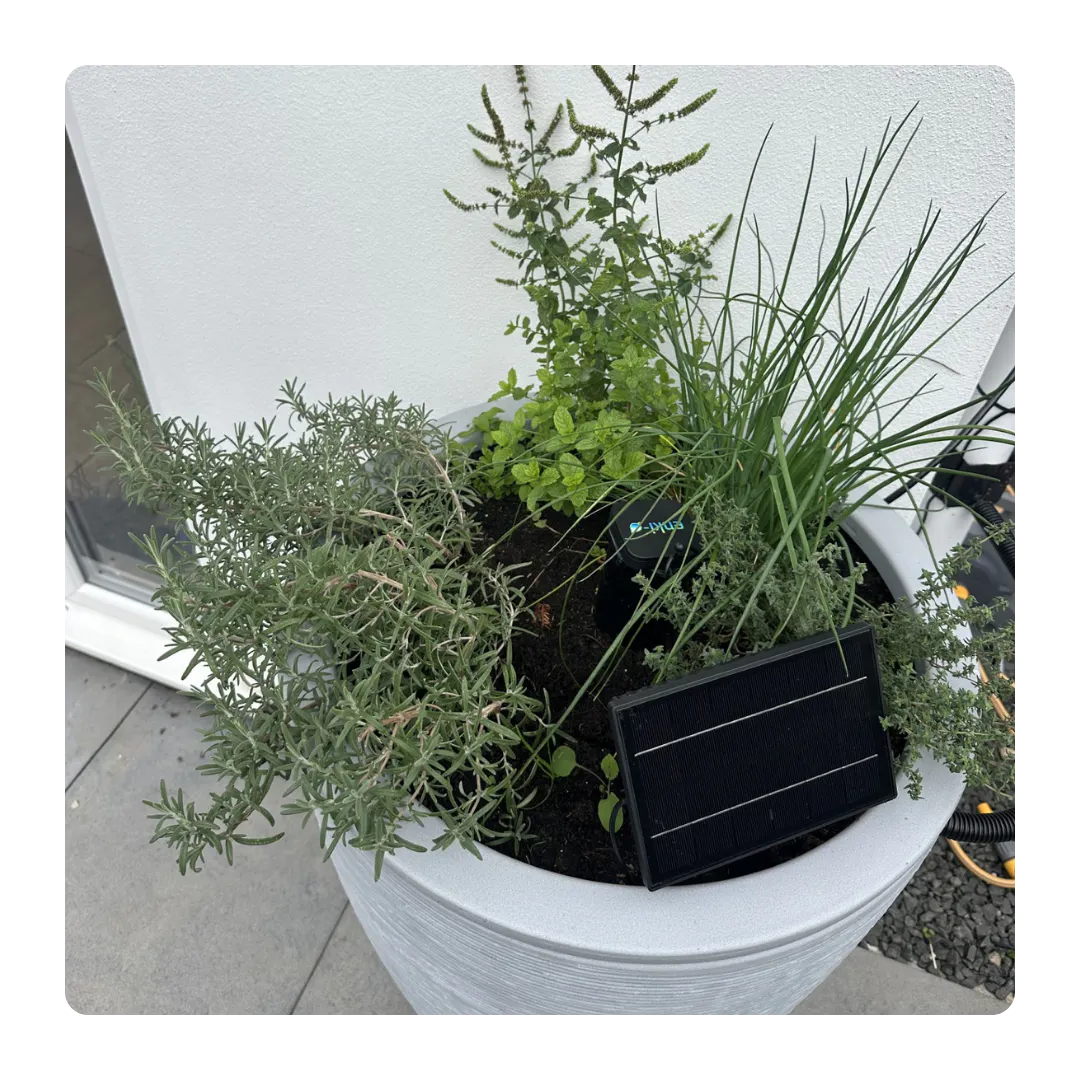
Each planter captures rainwater and has real-time monitoring, so performance can be tracked against rainfall and maintenance managed efficiently. Here's what residents were offered:
- 120 Litre Smart Tank
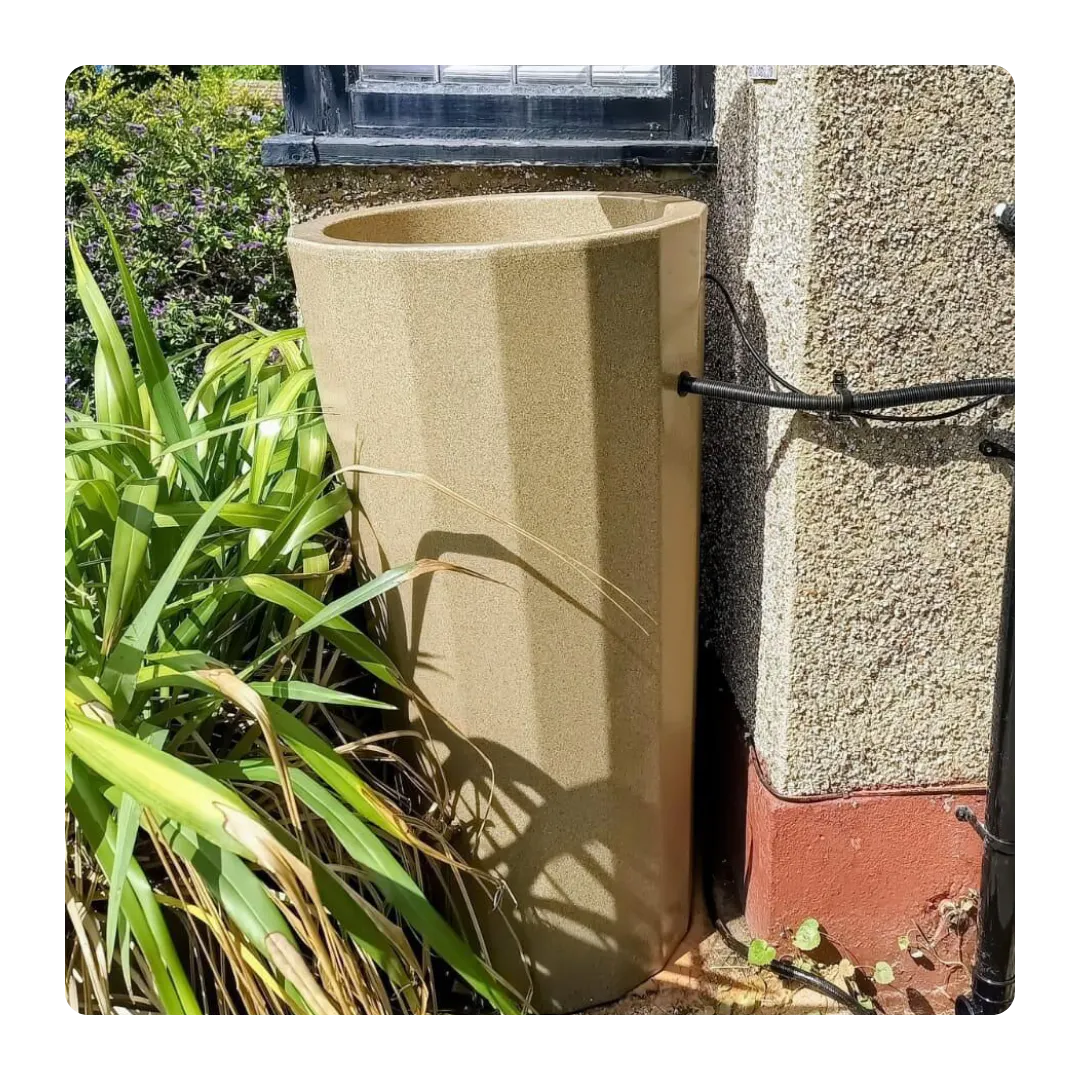
- 255 Litre Pillar Planter
- 128 Litre Square Planter

Self emptying smart tank
A compact tank with an integrated planter that empties automatically before rain. It means water is available for reuse for as long as possible.
- Reuse Availability: 120 Litres
- Reservoir Capacity: 120 Litres
Photo Credit: Bioscapes
What is Catchment to Coast?
Catchment to Coast is one of 25 DEFRA funded Flood and Coastal Resilience Innovation Programmes (FCRIP) and is set across 17 sites throughout Thurrock and Southend.
By looking at different catchment areas, the project tackles challenges specific to each location to provide an overall positive impact. Working with impacted communities is key to finding the best solutions.
What are the goals?
The key goals of Catchment to Coast are to combat flooding and coastal erosion, and improve drought tolerance, in Southend and Thurrock.
Trialling new and innovative methods to investigate how effective they are, will help contribute to local, regional and national policy enabling the UK to adapt better to climate change. Through our collaboration with local communities we're working to improve conditions for wildlife, rivers, and the natural environment.