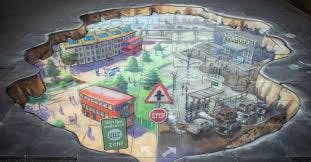
25% of properties will be at flood risk
That future isn't inevitable, but avoiding it requires action now. These are the stories of people who have already lived through it.
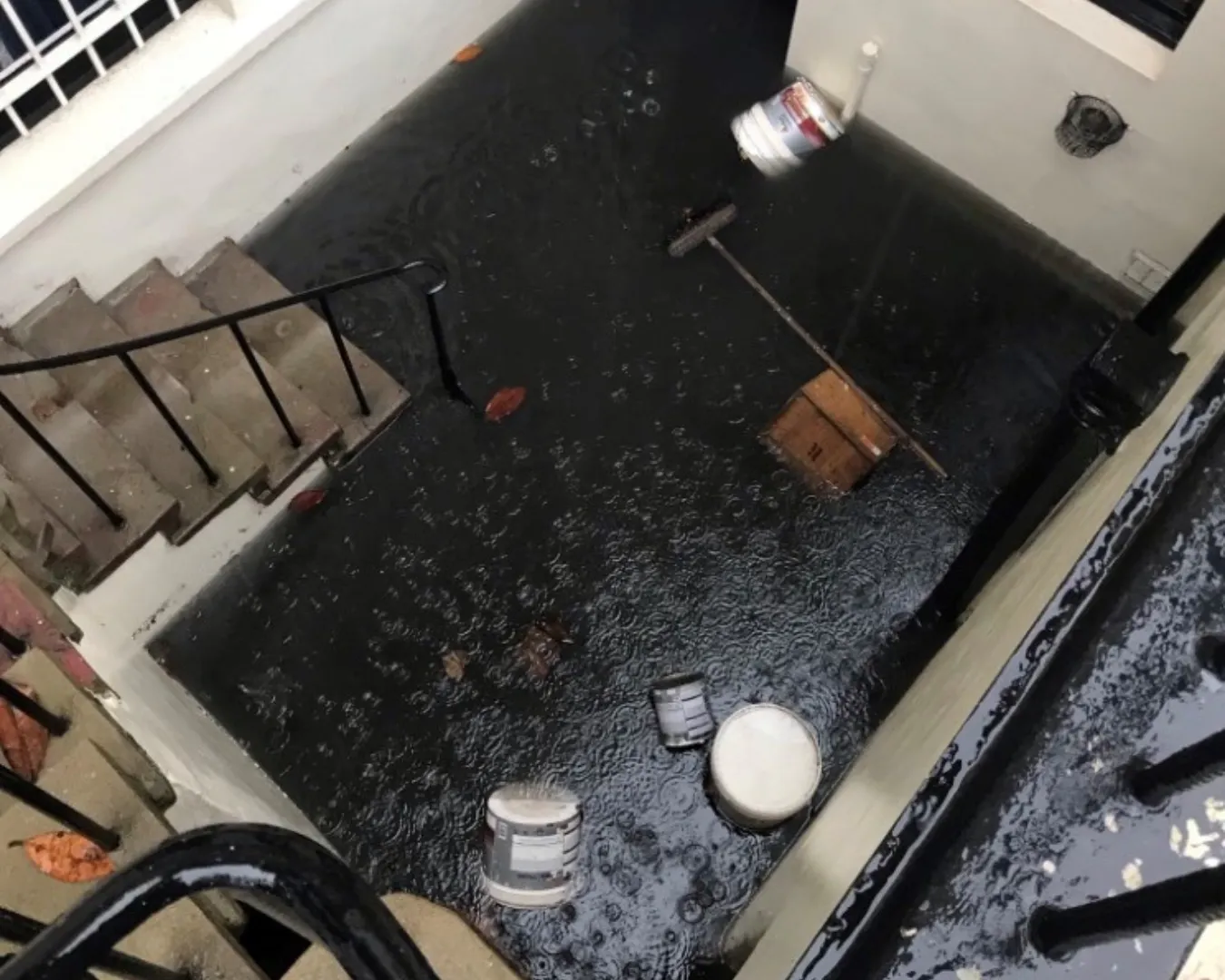
Sharing Your Stories
By 2050, 1 in 4 properties in the UK will be at flood risk, but flooding isn't a statistic. The reality is sewage water rising through your kitchen floor.
Or a family spending a year in a hotel while their home is repaired. It's an elderly woman, displaced and disoriented, waiting two years to go home.
These are real stories and experiences of flooding in Kensington, London.
- Invaded by Sewage Water
- Flooded & Damaged Basement
- Elderly Displaced for 2 years
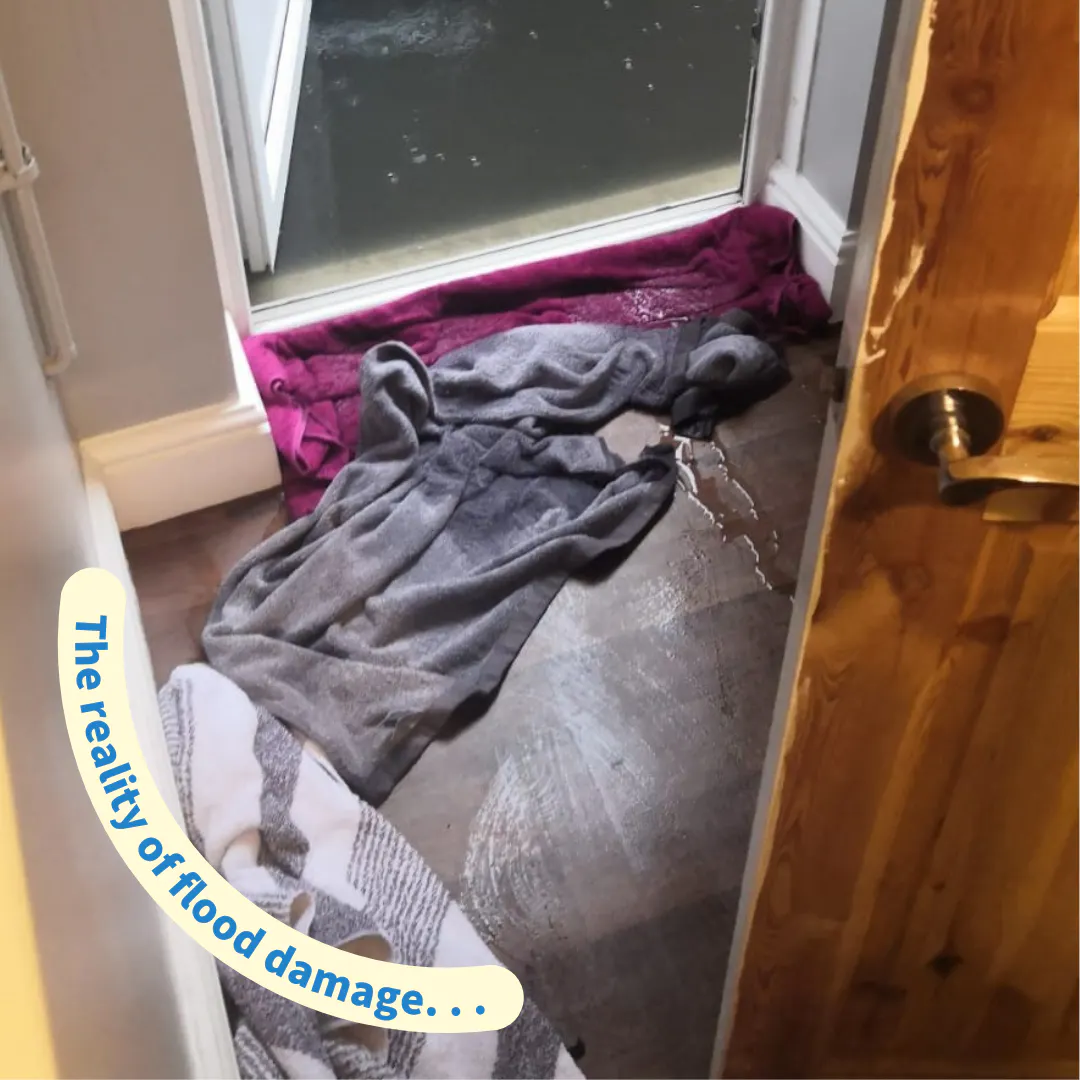
"Sludgy sewage water invaded my kitchen, bathroom and hallway."
In 2001, one resident's home was flooded following an incident. It wasn't rainwater that came through the door, it was sewage. Thick, sludgy, and devastating.
No amount of preparation could have made that experience less traumatic. But it's a reminder of how connected our drainage networks are to the safety and dignity of our homes.
North Kensington Resident
It's just not homes that were impacted, but important community buildings like Kensington Library.
"The rain came down very strongly and suddenly water rose up within the flat."
One resident described the moment flooding struck with terrifying speed, water rising up through the sink and shower as rainwater backed up from the street and forced its way under the doors and up through the drains.
"It was horrific."
They want to see Thames Water compelled to regularly assess its pipework, a sponsored depaving scheme to help residents remove hard surfaces, and legislation requiring all new planning applications to include blue-green roofs, water butts, and porous planting.
"It's an excellent step in the right direction but it needs critical mass, so we can say how much rainwater we are removing from the system against a target."
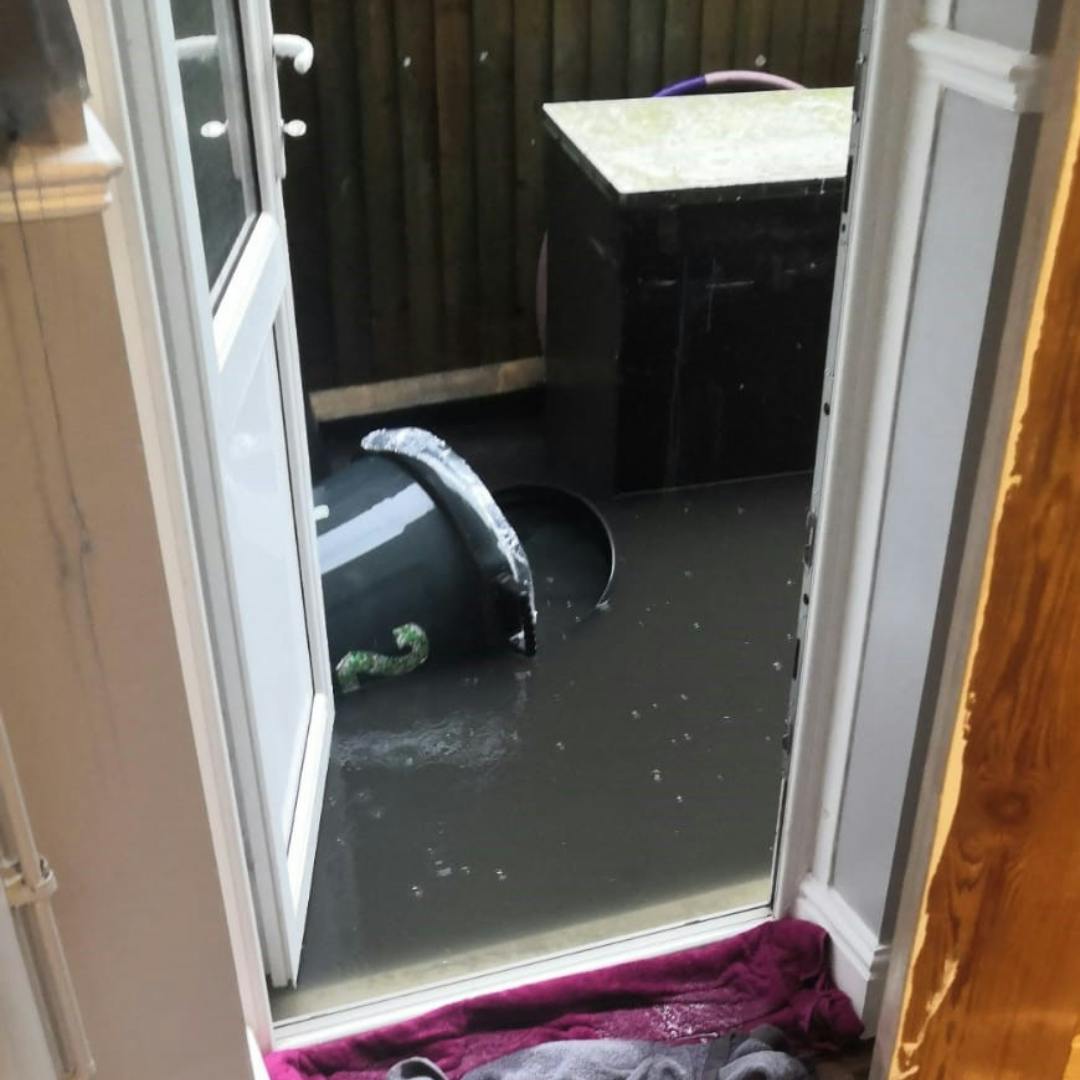
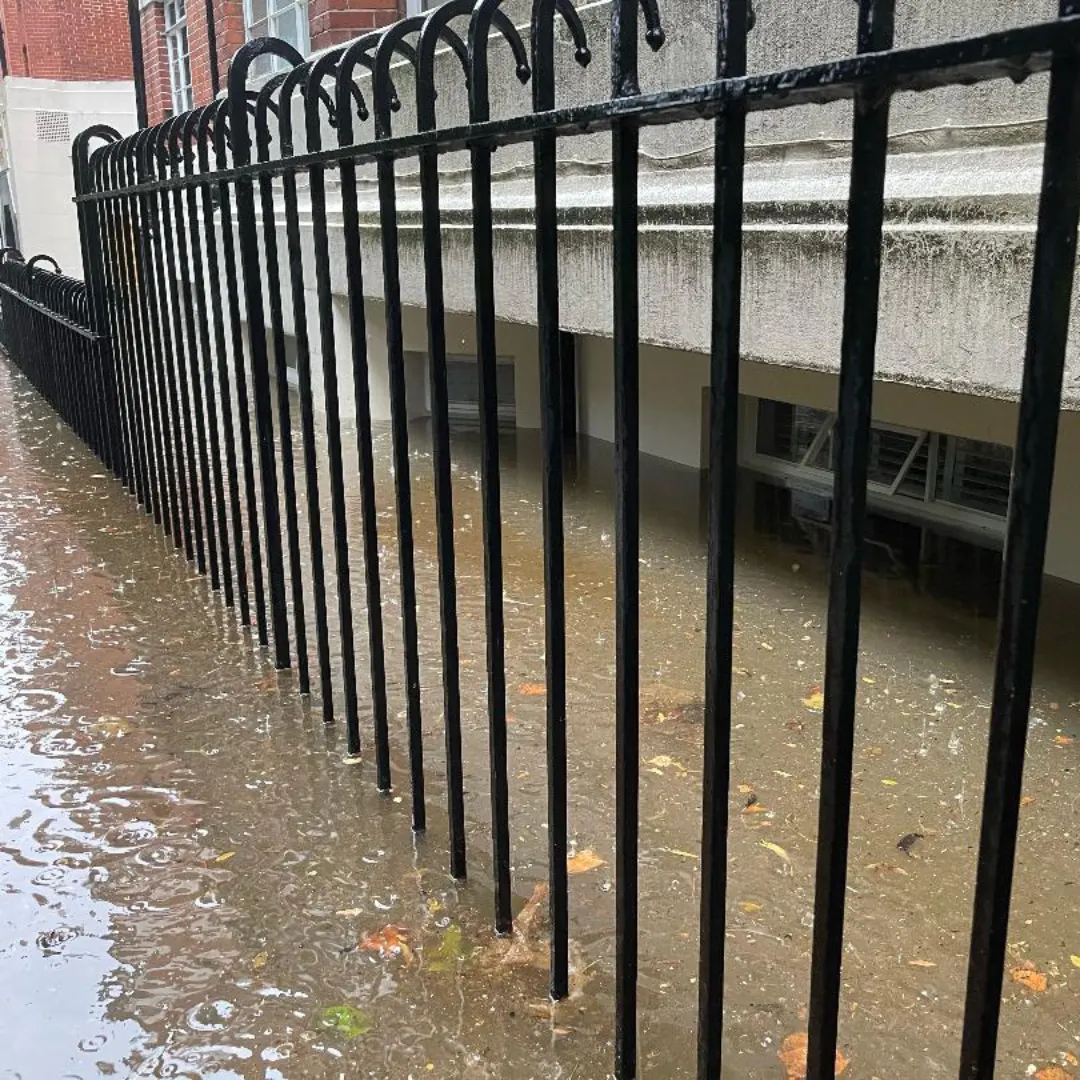
"He had to move with his wife and two children to a hotel."
A resident shared the story of a friend whose basement flat in Lonsdale Road was badly flooded after a downpour. The family, including two children, were displaced for close to a year while the flat was dried out, repaired, and redecorated.
"Very upsetting and difficult for the whole family."
His view on what's needed was more water butts, permeable pavements and road surfaces, better drains, and more grass and flowerbeds instead of hard surfaces in gardens.
What Residents Are Calling For
Across all of these stories, clear themes emerge. Residents aren't asking for the impossible. They're asking for common sense:
- Depave our streets. Replace concrete slabs with planting. Even one or two slabs makes a difference.
- Ban unnecessary hard surfacing. Fake grass and impermeable paving should be replaced with permeable alternatives.
- Make water butts compulsory in new developments and public realm improvements.
- Require planning applications that remove porous surfaces to replace them elsewhere, through green roofs, water butts, or porous planting.
- Hold water companies to account with proper maintenance programmes that reflect the true state of the network.
As one resident put it: "More awareness is needed within the community that flooding is everyone's problem. Even if you live on the second floor, if your neighbour in the basement floods, your building insurance premiums will go up dramatically."
The Our Rainwater team had a lovely time getting to know residents going door to door, find out more here.
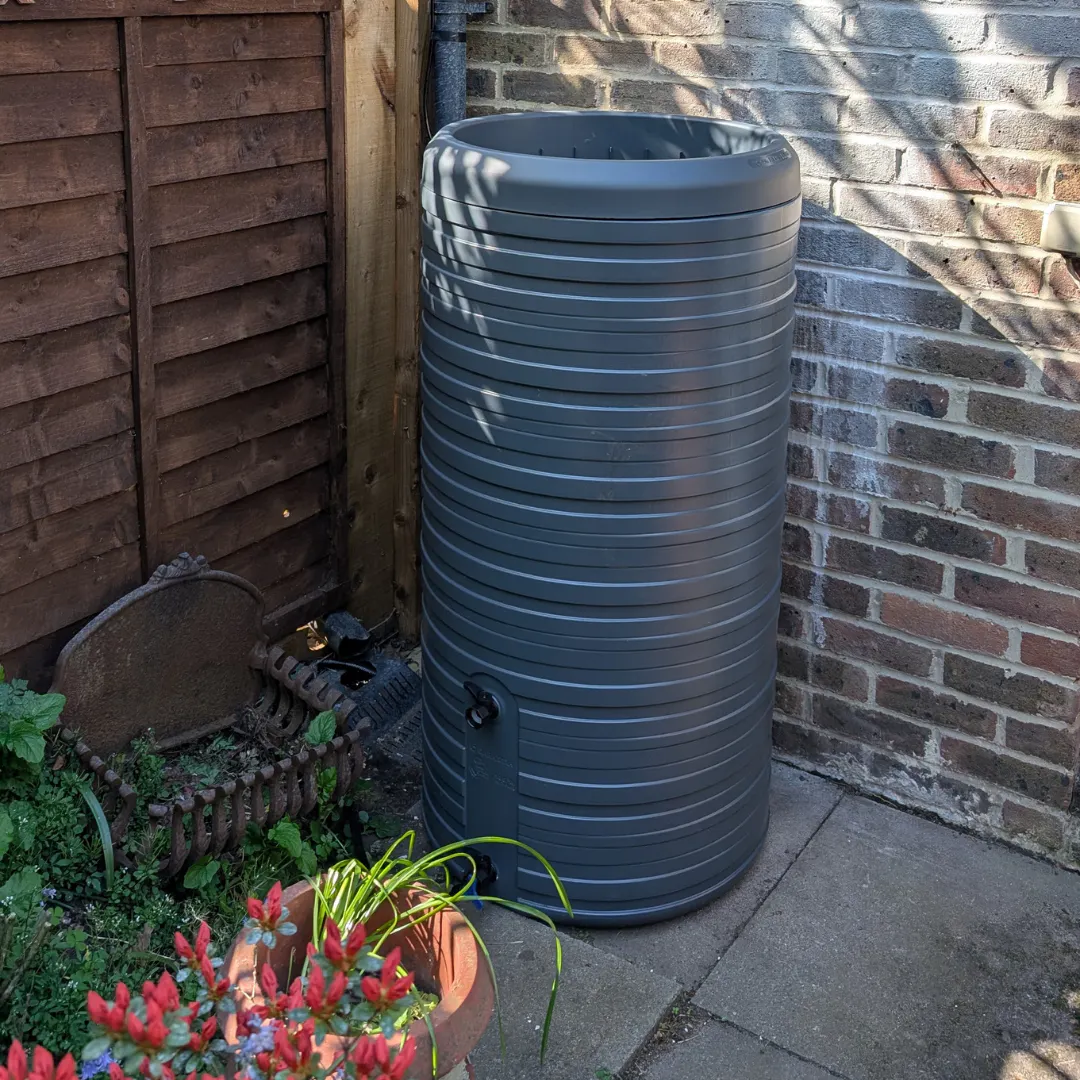
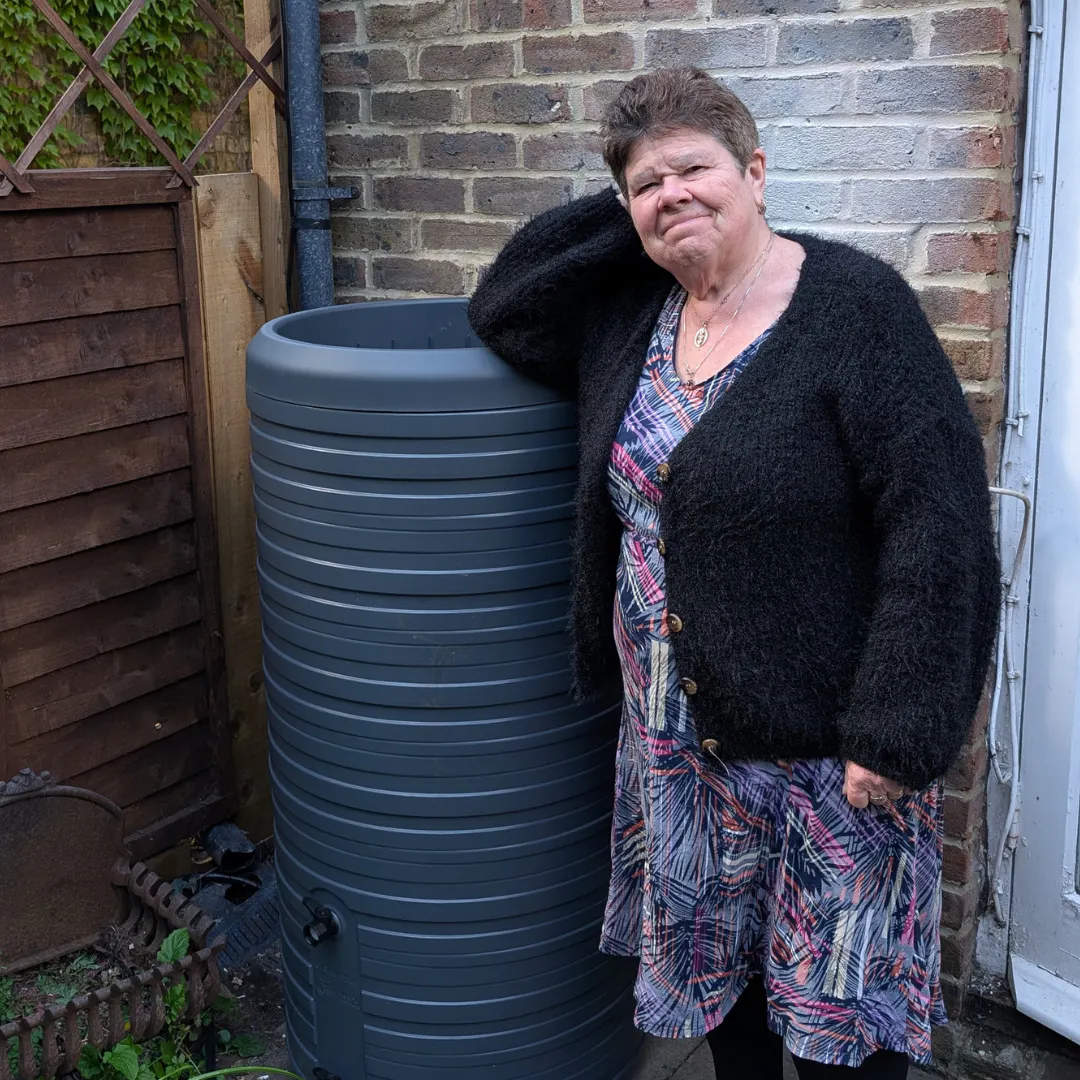
"Feel hopeful and grateful for your efforts. Keep up the good work."
Not all of what residents shared was bleak. Alongside the difficult stories came genuine hope, and a recognition that projects like this one are heading in the right direction.
"It's a brilliant idea." "Excellent. Stylish design, no installation hassle." "Feel hopeful and grateful for your efforts."
And an important question that captures the challenge:
"It seems great, but is it enough?"
It's a fair question. The honest answer is: not yet. But every water butt installed, every slab lifted, every rain garden planted is a step toward the critical mass we need.
The stories above show what's at stake if we don't act. They also show that residents are ready, and waiting, for the solutions to arrive at scale.
Looking for more resources?
Why is rainwater capture important?
Flood Advice
The time to act is now.
Find out if a project is available near you or submit a story.
Brought to you by...