Help Notting Dale & North Kensington become more flood prepared
By raising awareness about surface water flooding through community stories.
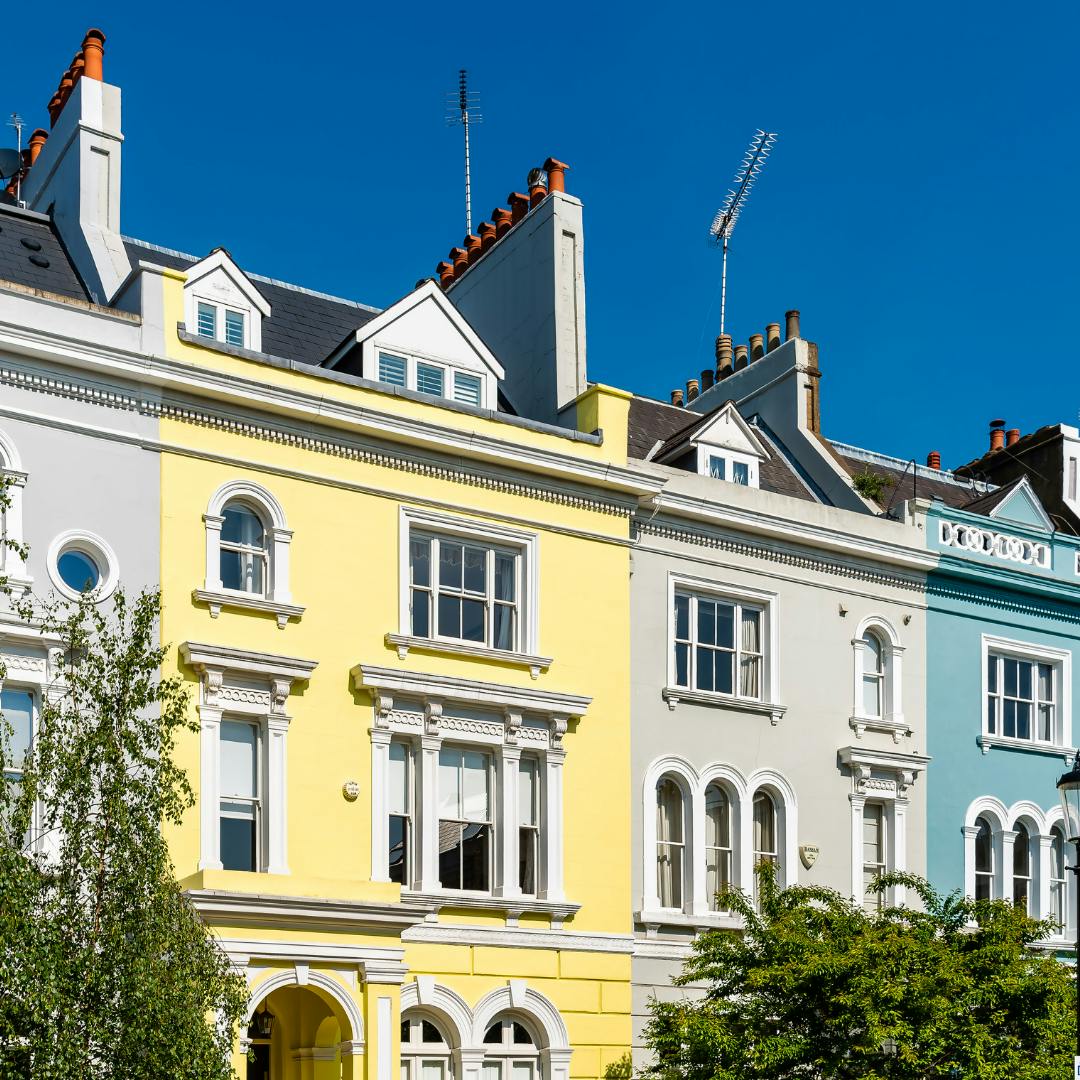
Welcome to Notting Dale and North Kensington's digital hub.
Share your story. Raise awareness. Improve flood resilience.
We're sharing stories and experiences of surface water flooding. Contribute to help improve understanding of flooding and how your community can become more flood prepared.
This is part of the Notting Dale & North Kensington SuDS Planter Project, made possible by the Royal Borough of Kensington and Chelsea, Greater London Authority, and Future Neighbourhoods Programme.

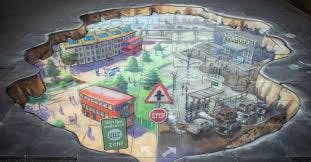

We're collecting and sharing your stories! Want to contribute?
Why are we creating a digital hub of stories?
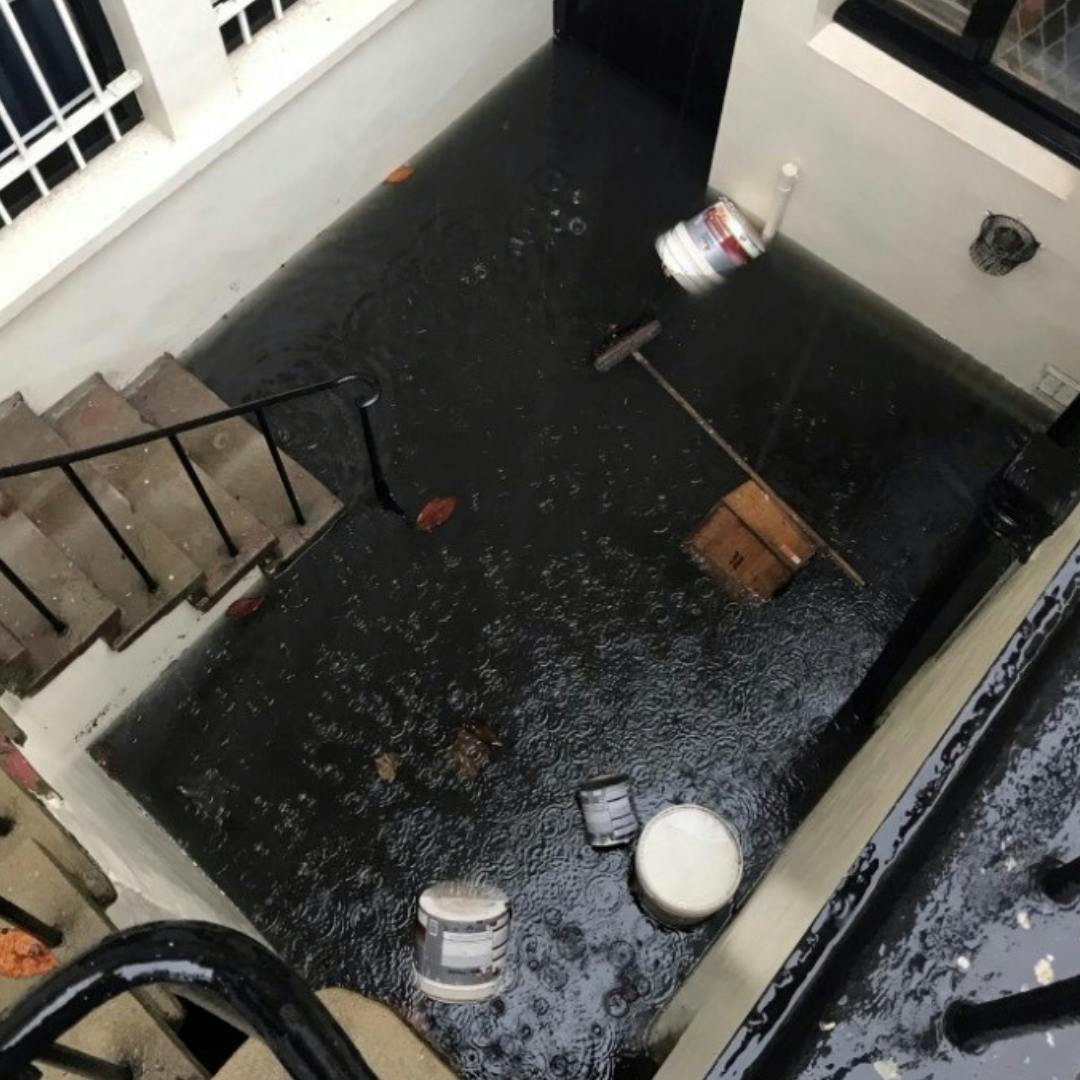
In July 2021, Notting Dale and North Kensington experienced terrible flooding, which impacted:
- 76 streets
- over 500 properties
- schools, youth centers, businesses and council buildings
- hundreds of residents causing them to evacuate their homes
We're sharing stories and experiences of residents to help make the area more flood prepared. By raising awareness around the impacts and showing how residents can take steps to become more flood resilient.
Rainwater capture devices are also available to help slow the flow of rainwater. You can find out more about that, the impacts of 2021 and goals of the project here.
Check back soon for stories from your community!
If you'd like to share your story, you can do so here.
In the meantime, find out more about surface water flooding and how get prepared below.
Why does surface water flooding happen?
There are many reasons why surface water flooding occurs. They often impact each other and are related - this makes it a tricky issue to tackle.
- What is it?
- Why does it happen?
- What's going on with our drains?
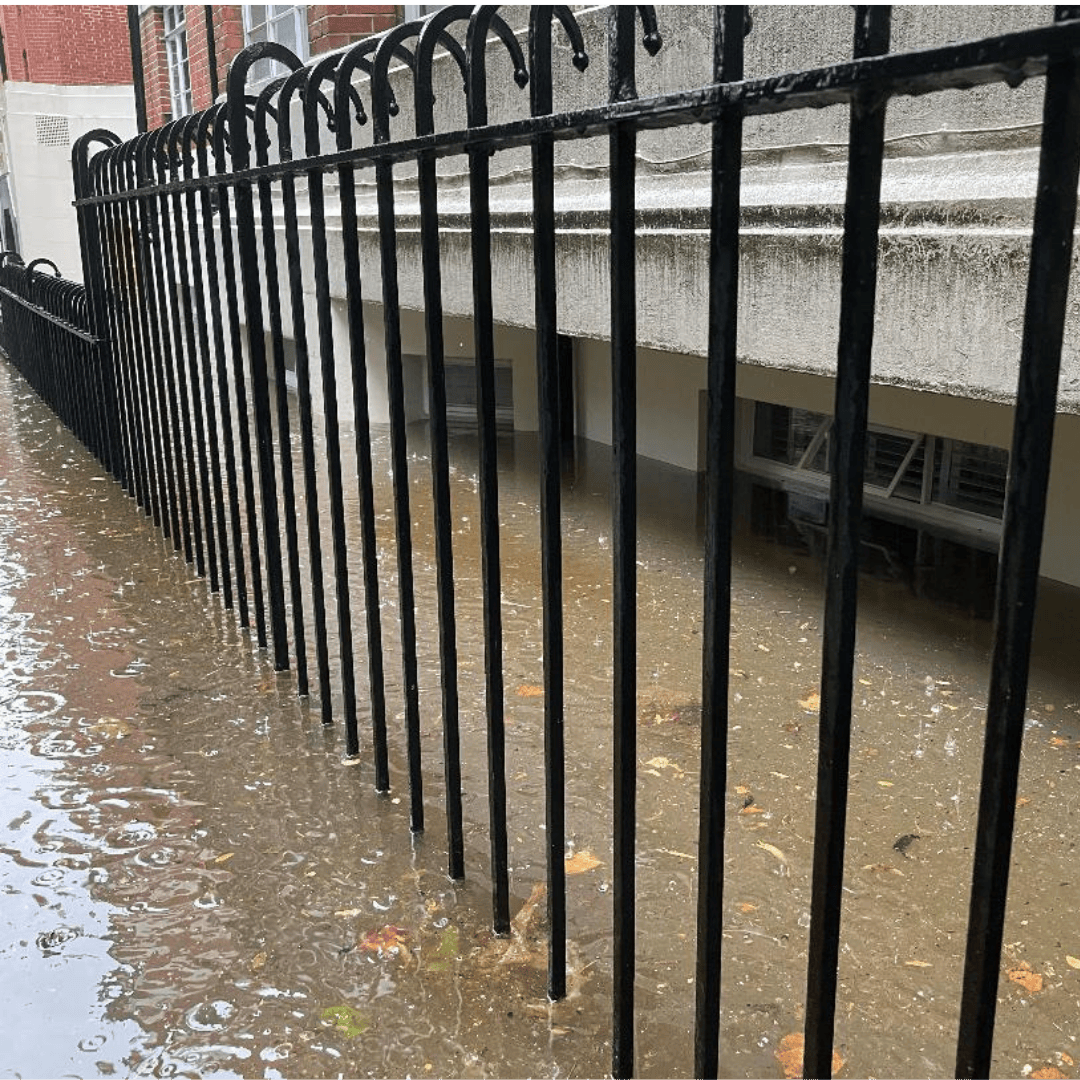
There are many types of flooding, but Notting Dale and North Kensington was impacted by surface water flooding. This occurs when rainwater does not soak into the ground or drain away through drainage systems. Instead of collects and pools on the surface.
In some places, this was as deep as 3 metres, making it incredibly dangerous.
How to prepare
The good news is, there are lots of ways to prepare for potential flooding. Both making it less likely and reducing negative impacts if it does happen.
At Home
Understand your risk
- Check your long-term flood risk to understand whether you live in a vulnerable area. You can do that on the GOV.UK website or by clicking here.
Create a flood plan
- If you are at risk, create a plan to follow in the event of a flood.
- This might include, knowing how to run off gas, electricity, water supplies and evacuation to high ground areas.
Create a 'grab bag'
- This might include a torch, power bank, documents in a sealed bag.
- First aid supplies like a first aid kit, medication, and sanitiser.
Protect your property
- Move sentimental and valuable items or furniture to higher levels.
- Install flood barriers, sandbags or air bricks to help prevent water entering.
- Ensure gutters and drains are clear to help reduce flood risk.
- Make sure you understand what is covered in your insurance policy.

Where to look for official advice
You should always follow official advice about flooding. You can even check your flood risk or sign up for alerts. Find information below about government advice:
- You can check for flooding via the GOV.UK website - here
- Sign up for free alerts and warnings via phone, email or text from the GOV.UK website - here
- Get advice and warnings from 24-hour national advice lines like Floodline: 0345 988 1188
- The National Flood Forum and British Red Cross can support you in the aftermath of a flood